

Custom Designs to Build the Best Water Slide for Kids
Custom-designed children’s slides blend safety engineering, age-specific play dynamics, and themed storytelling to deliver high-engagement attractions that maximize uptime, throughput, and operator ROI. This guide outlines design principles, materials selection, compliance checkpoints, manufacturing and commissioning strategies, and procurement criteria buyers should use to specify and acquire kid-focused flumes that balance thrill with safety. The article also compares common construction options, references industry standards for quality and injury prevention, and details how an integrated supplier can reduce lifecycle costs while accelerating time-to-open.
- Design principles for child-centered flumes and slides
- Segmenting by age, size, and motor-skill profile
- Safety engineering and materials selection
- Throughput modeling and queue management
- Theming, sensory design and inclusive accessibility
- Thematic branding and storytelling integration
- Multisensory elements that amplify engagement
- Inclusive design and regulatory accessibility
- Procurement, manufacturing, testing and lifecycle planning
- Procurement checklist and RFP essentials
- Manufacturing quality, coatings and finish standards
- Commissioning, maintenance regimes and total cost of ownership
- Comparative analysis: construction options and operational trade-offs
- Why choose WM International for bespoke children’s aquatic attractions
- Production capacity and manufacturing advantages
- Integrated services from design through maintenance
- Tailored solutions and project delivery assurance
- Frequently Asked Questions
Custom-designed children’s slides blend safety engineering, age-specific play dynamics, and themed storytelling to deliver high-engagement attractions that maximize uptime, throughput, and operator ROI. This section equips procurement teams and park owners with criteria to specify slides that meet lifecycle, safety, and branding goals while aligning with global quality practices such as ISO 9001 - ISO and industry testing resources from ASTM International.
Design principles for child-centered flumes and slides
Segmenting by age, size, and motor-skill profile
Effective attraction briefs begin with precise age-band definitions (toddlers 2–4, early childhood 5–7, older kids 8–12) and associated anthropometric data. Buyers should request height, weight and grip tolerances for each design iteration to avoid overloading thrill factors for younger riders. Specifying ride geometry by age band reduces rework during engineering and provides clearer insurance and liability assessment during procurement.
Safety engineering and materials selection
Material choice affects surface friction, thermal properties, structural lifespan and ease of repair. Closed-mold fiberglass reinforced plastics (FRP) offer consistent surface finish and repairability, while high-grade stainless steel may be used for open runouts or support structures. Insist on slip-resistance testing, UV-stability measures, and non-toxic gelcoat certifications; these attributes are commonly addressed in testing frameworks found via ASTM International and global safety guidance such as Child injury prevention - WHO.
Throughput modeling and queue management
Operational viability depends on throughput planning. Provide designers with expected peak hourly attendance, dispatch interval targets and safe loading protocols. Queue reduction measures (dual-loading platforms, separate entry/exit routing, timed dispatch gates) increase capacity without compromising safety. Financial models should tie throughput improvements to increased F&B and retail revenue per visitor.
Theming, sensory design and inclusive accessibility
Thematic branding and storytelling integration
Theming extends dwell time and per-capita spend. Design briefs should integrate sightlines, branded color palettes, and storytelling beats—entrance cues, sound design spots, and themed splashdown tableaux—to amplify guest experience. Contractors should provide photorealistic visualizations and VR walkthroughs so stakeholders can validate emotional impact before production.
Multisensory elements that amplify engagement
Water features such as timed jets, LED illumination, and subtle audio cues increase repeatability for young guests. Specify water flow modulation, sensor-controlled effects, and low-voltage lighting zones to preserve maintenance simplicity while delivering immersive moments. Materials and electronics must be serviceable from access panels to minimize downtime.
Inclusive design and regulatory accessibility
Accessibility is both a compliance and market-expansion issue. Design slides and adjacent play features to meet universal design principles—ramped access, transfer platforms, tactile guidance, and audible cues—so families with diverse abilities can participate. Confirm local accessibility codes and incorporate an inclusive-use audit in the RFP scope.
Procurement, manufacturing, testing and lifecycle planning
Procurement checklist and RFP essentials
RFPs should demand: engineering drawings stamped by licensed professionals, materials certificates (resin, gelcoat, fasteners), load and fatigue test reports, maintenance manuals, spare-part lists and a defined warranty. Include performance acceptance tests and a defect liability period tied to milestone payments to reduce commercial risk.
Manufacturing quality, coatings and finish standards
High-volume production requires a controlled environment for lamination and curing to ensure consistent wall thickness and surface finish. Specify anti-slip textures where appropriate, UV-stable pigmented gelcoats, and chemical resistance ratings for cleaning agents. Factory acceptance testing should include dimensional verification, leak tests for enclosed channels, and ride surface friction readings.
Commissioning, maintenance regimes and total cost of ownership
Estimate lifecycle expenditures including scheduled inspections, coating refresh cycles, spare-part lead times, and seasonal commissioning. A preventative maintenance contract that includes annual surface inspections and priority spare shipments reduces unexpected closures. Lifecycle models should present Net Present Value (NPV) comparisons for alternative materials to support capex decisions.
Comparative analysis: construction options and operational trade-offs
| Option | Typical lifespan (years) | Initial cost | Maintenance intensity | Best use-case |
|---|---|---|---|---|
| Closed-mold Fiberglass (FRP) | 15–30 | Medium | Medium; gelcoat refinishing every 7–10 years | Family and children’s slides where surface smoothness and color retention matter |
| Stainless Steel | 25–50 | High | Low-medium; periodic polishing and joint inspection | Open runouts, architectural features, or high-durability outdoor elements |
| Inflatable/Modular PVC | 2–7 | Low | High; frequent repairs and replacement | Temporary events or pop-up attractions |
| Composite Hybrids | 10–25 | Medium-high | Medium; depends on bonded interfaces | Custom-shaped elements combining structural support with FRP surfaces |
These values reflect industry norms and should be validated against supplier test data during vendor selection; market overview information for water attractions is widely summarized in resources such as Water park - Wikipedia.
Why choose WM International for bespoke children’s aquatic attractions
Production capacity and manufacturing advantages
With 19 years of industry experience, WM International Waterslide provides a full range of water park planning and design services. WM International owns a 100000 m² modern production base, which is the largest in the industry, and maintains end-to-end control over molding, finishing, and quality assurance. Buyers benefit from consistent manufacturing tolerances, shorter lead times for repeat modules, and consolidated logistics for complex projects.
Integrated services from design through maintenance
From water park planning and design to manufacturing, installation and maintenance, we provide comprehensive service solutions to transform your park vision into vibrant realities. Whether it’s the design and development of new parks or maintaining existing ones, our decades of combined experience as park operators, designers, suppliers, and guests can give you the edge that you need to create world-class amusement, theme, and water park attractions.
Tailored solutions and project delivery assurance
We mainly produce various water slides for water parks. Each project is a reflection of our professional capabilities, showing how we can provide tailor-made solutions based on different customer needs and site characteristics. Our project delivery includes CAD and BIM documentation, staged factory inspections, on-site supervision, and handover packages that include maintenance schedules and spare-part kits.
Core products and services: Water park design, Water park construction, Water Slides, Water Play Attractions, Wave Making Equipment. For procurement inquiries or technical RFP templates, contact trading@wmwaterslide.com or visit https://www.wmwaterslide.com
WM International supports buyers with compliance documentation, commissioning services and training programs to ensure safe, timely openings and optimized long-term performance.
Contact trading@wmwaterslide.com or view product catalogs at https://www.wmwaterslide.com for bespoke proposals and technical data sheets.
Frequently Asked Questions
What certifications and safety standards should buyers require for children’s slides?
Buyers should request evidence of materials testing, structural engineering stamps, and compliance with relevant national standards. International quality frameworks such as ISO 9001 - ISO and component test reports from organizations like ASTM International are commonly cited. Additionally, include documented factory acceptance tests, gelcoat toxicity data and UV-stability reports in the RFP.
How long does it take to design and manufacture a custom children’s slide?
Typical lead time depends on complexity: a single simple molded slide can be designed and produced in 8–16 weeks, while complex themed attractions with integrated effects and structural work can take 6–12 months. Time estimates should include design approvals, tooling, surface finishing, factory acceptance tests and shipping logistics.
What is the total cost of ownership difference between fiberglass and stainless steel options?
Fiberglass solutions usually have lower initial costs with medium maintenance needs (gelcoat refresh every 7–10 years), whereas stainless steel has higher upfront capital but lower long-term surface maintenance. Buyers should evaluate Net Present Value (NPV) across expected lifespan, factoring in downtime costs, spare-part lead times, and potential resale or refurbishment value.
Can water slides for young children be designed to meet accessibility requirements?
Yes. Inclusive slides can incorporate transfer platforms, ramped circulation, tactile signage and staffed transfer assistance areas. Design teams should validate local accessibility codes and include an inclusive-use audit in the contract to ensure the final installation meets both regulatory and usability goals.
What warranty and maintenance packages are standard for new water slide installations?
Standard packages vary by supplier but typically include a 12–36 month defect liability period for manufacturing faults and optional extended maintenance contracts covering annual inspections, surface maintenance, spare-part supply and priority support. Buyers should require a clear spare-part list and defined SLA terms for critical components in the procurement documents.
Recommended
A Beginner's Guide to Water Park Slides
Wholesale wave pool equipment manufacturer and supplier
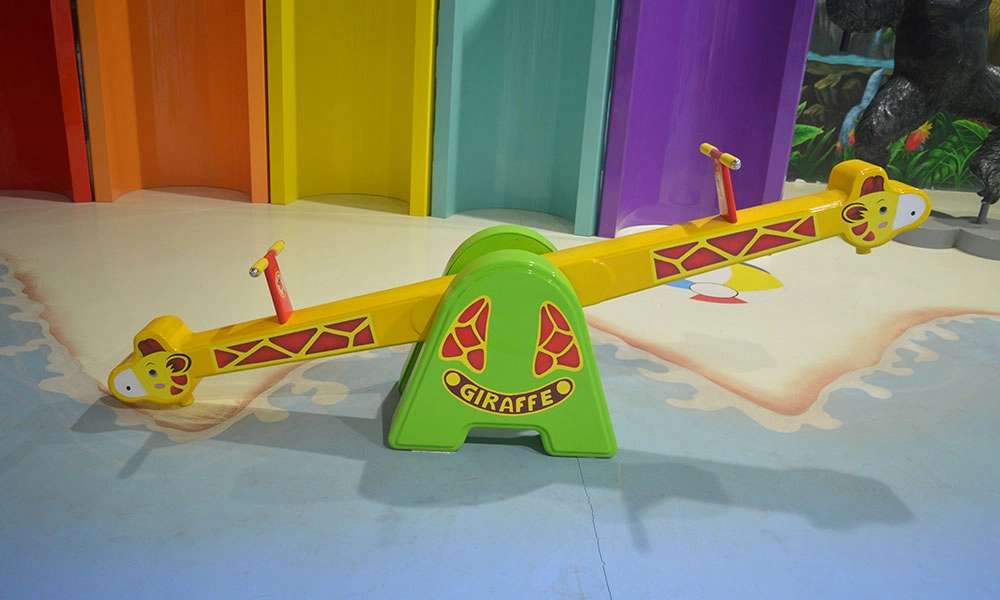
Water Seesaw for Water Parks — Durable, Safe, and Customizable Attraction
Top 5 commercial fiberglass water slide Company List and Products Compared
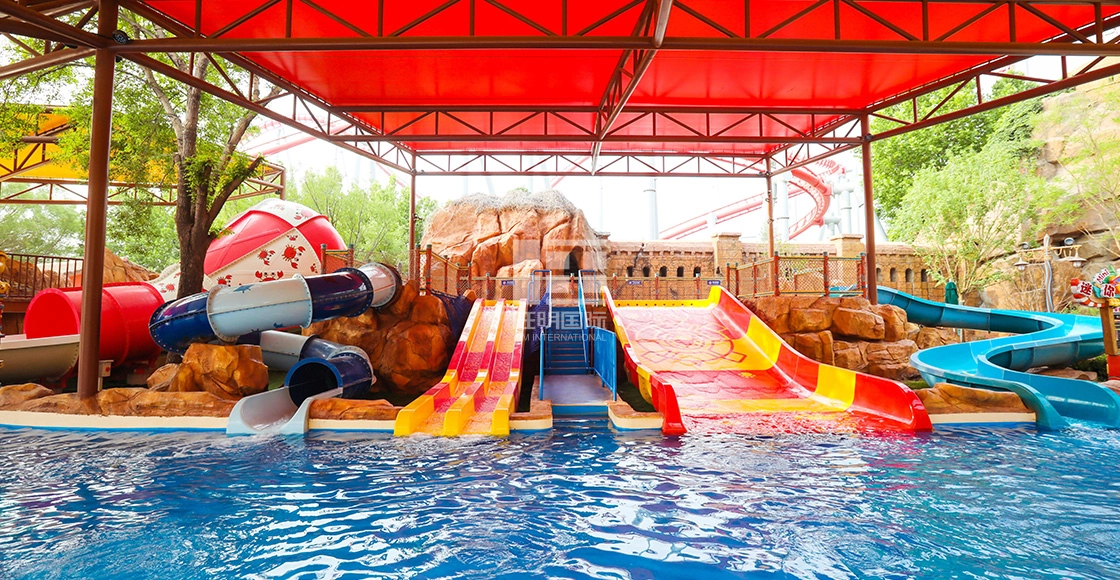
Children Combined Water Slide
Discover endless fun with the Children Combined Water Slide by WM INTERNATIONAL, expertly crafted for thrill-seeking kids. Perfect for summer splashes, this durable slide promises safety and joy. Looking to elevate your play area? Explore our Children's Combined Slide for sale now!
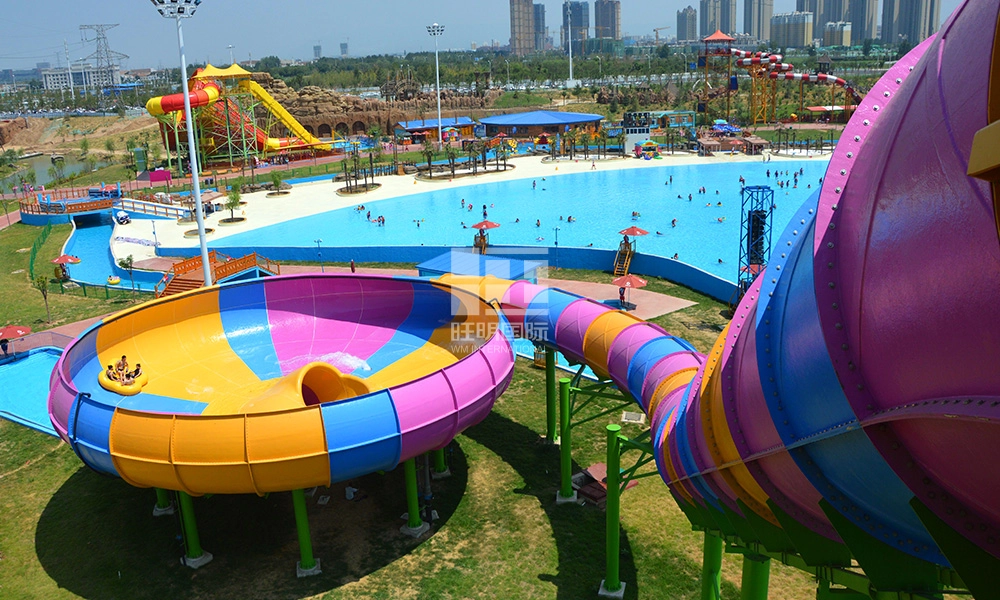
Huge Bowl Water Slide
The Huge Bowl Water Slide has achieved the “World's Best New Water Amusement Equipment” Award; it is the new favorite of the young people and the star project of the water park. The raft carries the tourists slowly entering the closed chute first; then it whirls in the bowl the moment the tourists can see the light. After a short period of time, the raft is suddenly suctioned into a huge black hole until it falls into the water. For a moment, the tourists realize the breathtaking journey has been safely brought to an end.
Time Tunnel Water Slide
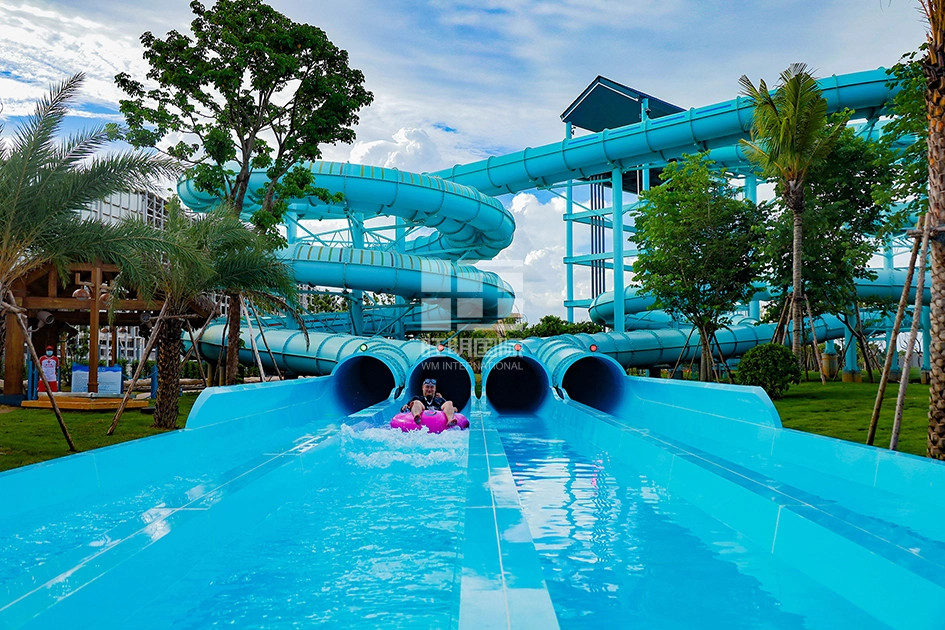
The biggest feature of the time tunnel slide is that it uses double water slides and double tubes side by side in design and competes along the circular slide path. 8 people can play at the same time, with a large passenger capacity and high return rate, which is very suitable for team and family travel. And the slide is equipped with WangMing International's time tunnel technology, and the interior of the slide presents a beautiful aurora effect, with colorful lights, as if traveling through time and space.
Big Tourbillion Water Slide
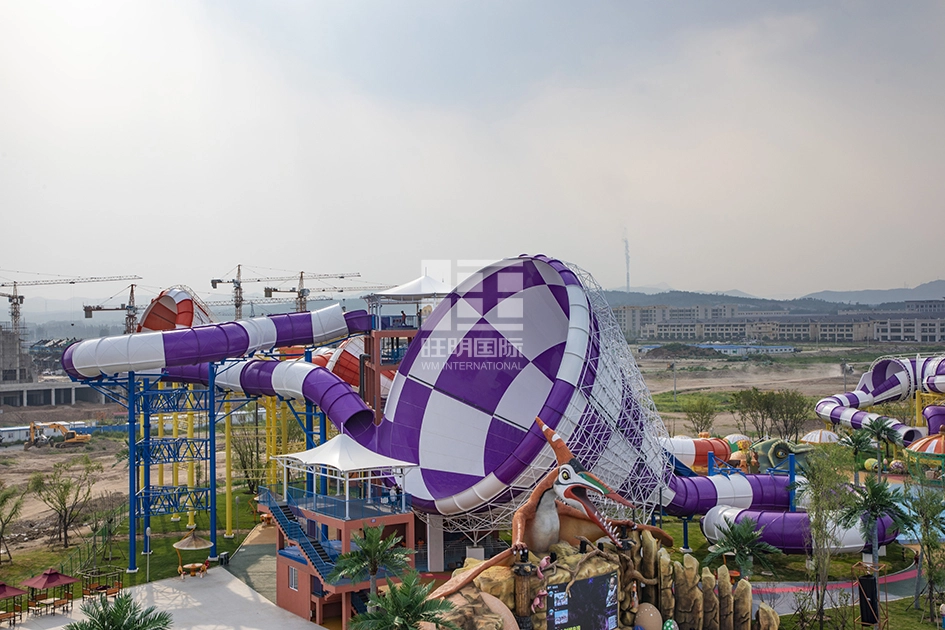
The Big Tourbillion water Slide won the "Gold Ticket Award - The Best New Project" of the international tourism industry. With unique modelling, strong irritation and humor, it is deeply loved by the young people; it has always been the popularity star of the water park. The raft carries the tourists as they enter the dark, closed chute slowly from the more than ten-meter-high platform; under the effect of gravity and water flow, it enters the state of rapid falling and then drops into the big Tourbillon; after a few times of whirling, it falls into the water pool. At this moment, the tourists are still in shock.
Get in touch
Have to get customized water park solutions and product quotes.
We will provide you with professional consultation and support.

Relying on leading technology, innovative products and rich industry experience, we tailor personalized solutions for each water park project to ensure a safe and exciting entertainment experience for tourists.
 Scan QR Code
wmwaterslide
wmwaterpark