




How to Compare Commercial Water Slides: Materials and Costs
- Material choice and long-term value: a practical framework
- Why material matters more than sticker price
- Key trade-offs I evaluate
- Standards and safety considerations
- Comparing common slide materials: pros, cons and real numbers
- Fiberglass (FRP): industry workhorse
- Stainless steel: niche, high-speed applications
- HDPE and modular plastics: flexibility and lower cost
- Cost modeling and procurement checklist
- How I model total cost of ownership
- Negotiation tips I use with suppliers
- Permitting and compliance I verify early
- Data-driven comparison table: materials at a glance
- Installation, warranties and operational readiness
- Installation challenges I plan for
- Warranty clauses I insist on
- Training and maintenance plans
- Why I often recommend a partner-led approach: design + manufacture + O&M
- The advantage of integrated delivery
- How I evaluate potential partners
- Frequently Asked Questions
I regularly advise operators searching for commercial water slides for sale, and in this concise, data-focused summary I explain how material choice, manufacturing method, installation complexity and lifecycle costs interact to determine total project value. I use my experience in water park design and construction to compare fiberglass (FRP), stainless steel, HDPE and concrete slides across upfront price, maintenance, longevity, safety, and guest experience so you can quickly narrow supplier quotes and avoid costly mistakes when selecting commercial water slides for sale for your park.
Material choice and long-term value: a practical framework
Why material matters more than sticker price
In my experience, the initial purchase cost of commercial water slides for sale is only 20–40% of total cost over a 15–25 year lifecycle. Material determines UV resistance, surface smoothness, repairability and regulatory compliance. I always start by evaluating lifecycle cost, not just the vendor quote.
Key trade-offs I evaluate
When comparing materials I systematically score: upfront cost, expected lifespan, frequency and cost of maintenance, surface safety (traction and abrasiveness), and ease of modification or repair. These factors directly affect operational downtime and guest satisfaction in a water park environment.
Standards and safety considerations
I check supplier claims against industry standards such as ASTM F2376 and quality systems like ISO 9001. I also review public safety guidance such as the CDC's recreational water guidance and the technical background on ride types in Water slide - Wikipedia to confirm material performance claims.
Comparing common slide materials: pros, cons and real numbers
Fiberglass (FRP): industry workhorse
I recommend fiberglass for most large installations. FRP offers smooth surfaces for fast rides, relatively low maintenance, and excellent moldability for complex profiles and themed elements. Typical lifespan in park conditions ranges 15–30 years with proper gelcoat maintenance and routine inspections.
Stainless steel: niche, high-speed applications
Stainless steel excels for open-body flumes and long tubular sections where structural slenderness and high tensile strength are required. It requires surface treatments to control slipperiness and can be more costly upfront but has long service life in many climates.
HDPE and modular plastics: flexibility and lower cost
Modular HDPE panels are popular for value projects and temporary or modular parks. They’re easier to fabricate on-site and repair, but can be more susceptible to UV degradation and surface wear if not UV-stabilized; expected lifespan is typically 10–20 years depending on grade and maintenance.
Cost modeling and procurement checklist
How I model total cost of ownership
When I prepare a budget for clients seeking commercial water slides for sale, I build a 20-year cashflow that includes: purchase and installation, annual maintenance, coatings/gelcoat refresh every 5–10 years, resurfacing/repair costs, and an allowance for eventual replacement. This approach spotlights materials that look cheap on paper but are expensive to operate.
Negotiation tips I use with suppliers
Ask sellers for a bill-of-materials, warranty scope, sample structural calculations, and references from installations in similar climate zones. I also request an itemized installation quote (labor, scaffolding, plumbed water recirculation tie-ins) because installation often accounts for 30–60% of total project cost for slides.
Permitting and compliance I verify early
I always confirm local building codes and ride-safety regulations early in the design phase and compare them to manufacturer documentation. This prevents scope creep and expensive rework after fabrication has started.
Data-driven comparison table: materials at a glance
| Material | Typical Lifespan (park conditions) | Upfront Cost Level | Maintenance Intensity | Best Use Cases |
|---|---|---|---|---|
| Fiberglass (FRP) | 15–30 years | Medium | Medium (gelcoat refresh, inspections) | Large themed slides, enclosed flumes, high customization |
| Stainless Steel | 25+ years | High | Low–Medium (surface treatment, corrosion checks) | Open high-speed slides, long-run structural sections |
| HDPE / Modular Plastic | 10–20 years | Low–Medium | Medium (UV stabilization, panel replacement) | Modular parks, splash attractions, cost-sensitive installs |
| Concrete | 20–40 years | Medium–High | Medium (surface coatings, joint repairs) | Custom landscaping, large integrated structures, fixed installations |
Sources: technical standards and industry guidance from ASTM F2376, manufacturing quality principles such as ISO 9001, public health guidance from the CDC, and material summaries on Wikipedia.
Installation, warranties and operational readiness
Installation challenges I plan for
When I manage projects buying commercial water slides for sale I ensure foundation and supports are specified to the slide manufacturer’s structural drawings. Misalignment, insufficient anchorage, or improper drainage at foot pools are common causes of early damage and warranty disputes.
Warranty clauses I insist on
I negotiate warranties that clearly define scope (gelcoat fade versus structural failure), duration (typical 3–10 years depending on component), and remedies (repair, replacement, pro-rated credits). A supplier’s willingness to provide site-specific maintenance manuals is a strong signal of quality.
Training and maintenance plans
I require manufacturer-led commissioning and operator training to be part of the contract. Training reduces accidents, extends slide life, and keeps operating costs predictable.
Why I often recommend a partner-led approach: design + manufacture + O&M
The advantage of integrated delivery
From my perspective, choosing a partner capable of water park design, manufacturing, installation and maintenance reduces risk: single-point responsibility for design intent and surface finish, and smoother post-installation service. It also simplifies permitting and warranty handling.
How I evaluate potential partners
I look for demonstrable experience across the full lifecycle: case studies with measurable uptime, a production base with quality control, and strong project references. I also favor suppliers who can adapt designs to local climate, water chemistry and guest demographics.
With 19 years of industry experience, WM International Waterslide provides a full range of water park planning and design services. From water park planning and design to manufacturing, installation and maintenance, we provide comprehensive service solutions to transform your park vision into vibrant realities. Whether it’s the design and development of new parks or maintaining existing ones, our decades of combined experience as park operators, designers, suppliers, and guests can give you the edge that you need to create world-class amusement, theme, and water park attractions. WM International owns a 100000 m² modern production base, which is the largest in the industry. We mainly produce various water slides for water parks. Each project is a reflection of our professional capabilities, showing how we can provide tailor-made solutions based on different customer needs and site characteristics. Our main products include water park design, water park construction, Water Slides, Water Play Attractions, and Wave Making Equipment. If you want to review our portfolio or discuss procurement options, visit https://www.wmwaterslide.com or email trading@wmwaterslide.com and I will review your requirements personally.
Practical next steps I recommend: collect three comparable quotes that include identical scopes (slide body, supports, foot-pool works, filtration tie-ins), request life-cycle cost models, and visit at least one installed reference in a similar climate.
Authoritative resources I use when validating supplier claims include the ASTM slides guidance (ASTM F2376), quality frameworks like ISO 9001, public health standards from the CDC, and technical background available on Wikipedia. For market trends and benchmark projects I reference IAAPA reports and event briefings.
Contact me for a free initial procurement checklist and a sample lifecycle cost model that you can use to compare bids for commercial water slides for sale.
Frequently Asked Questions
What materials are commonly used for commercial water slides?
The most common materials are fiberglass (FRP), stainless steel, HDPE/modular plastic and concrete. Each material has different trade-offs in upfront cost, lifespan and maintenance needs; fiberglass is widely used for customization, stainless steel for high-strength open slides, HDPE for modular systems and concrete for integrated fixed structures.
How much do commercial water slides typically cost over their lifecycle?
Lifecycle cost varies by material and project scope. A realistic procurement model should include purchase and installation, periodic gelcoat or coating refresh, routine maintenance, and eventual replacement. Industry experience shows purchase is often only 20–40% of 20-year lifecycle cost when maintenance and downtime are included.
What standards should I check when buying commercial water slides?
Check supplier documentation against relevant standards such as ASTM F2376 and quality systems like ISO 9001; also review public health guidance from the CDC for recirculating water systems. These references help confirm structural safety, manufacturing quality and water health practices.
How long do different slide materials last?
Typical lifespans in park conditions are approximately: Fiberglass (FRP) 15–30 years, Stainless Steel 25+ years, HDPE 10–20 years, and Concrete 20–40 years. Actual life depends on climate, water chemistry and maintenance practices.
What should be included in a supplier warranty and scope?
A clear warranty should specify coverage for structural failure versus surface wear, warranty duration per component, remedies (repair or replacement), and exclusions such as improper maintenance. Include commissioning and operator training in the contract to avoid disputes.
Recommended
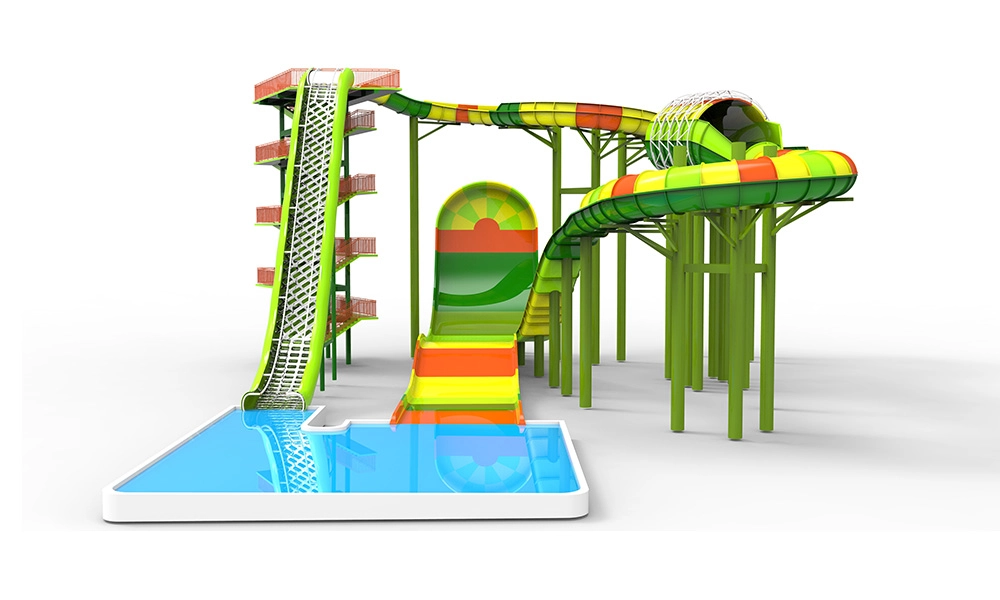
Rattlesnake Water Slide — Thrilling Snake-Themed Attraction for Modern Parks
Top 10 Best Water Slides for Kids for Small Parks
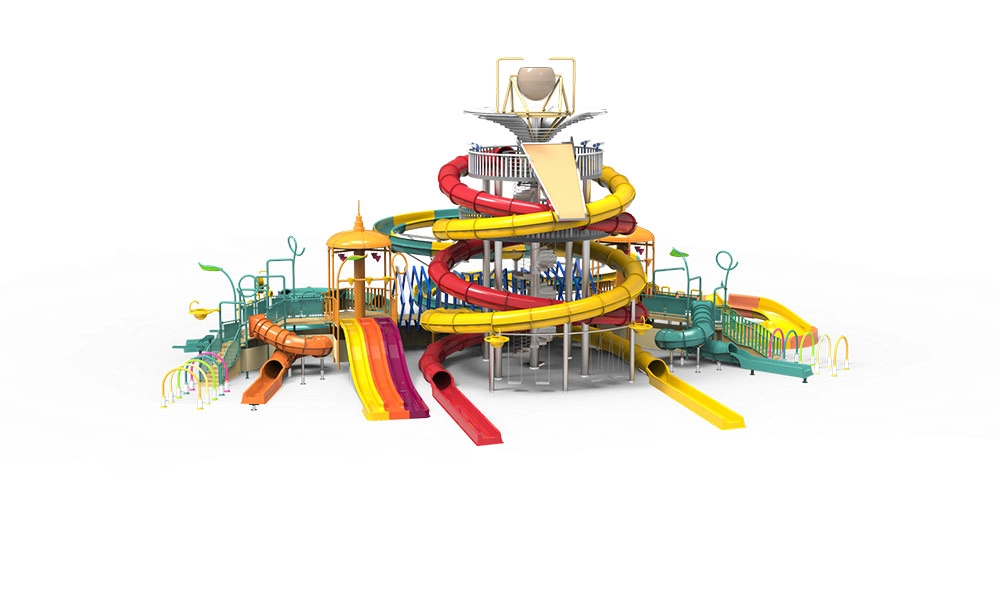
Super Water House — The Ultimate Interactive Water Playground for Family Attractions
Retrofit Options: Upgrading Existing Water Slides
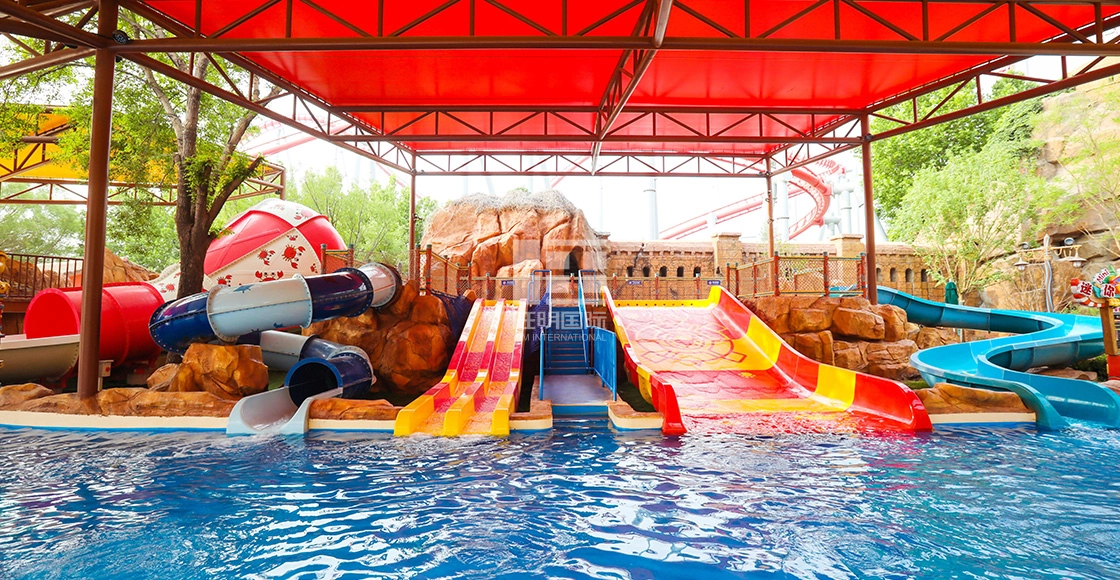
Children Combined Water Slide
Discover endless fun with the Children Combined Water Slide by WM INTERNATIONAL, expertly crafted for thrill-seeking kids. Perfect for summer splashes, this durable slide promises safety and joy. Looking to elevate your play area? Explore our Children's Combined Slide for sale now!
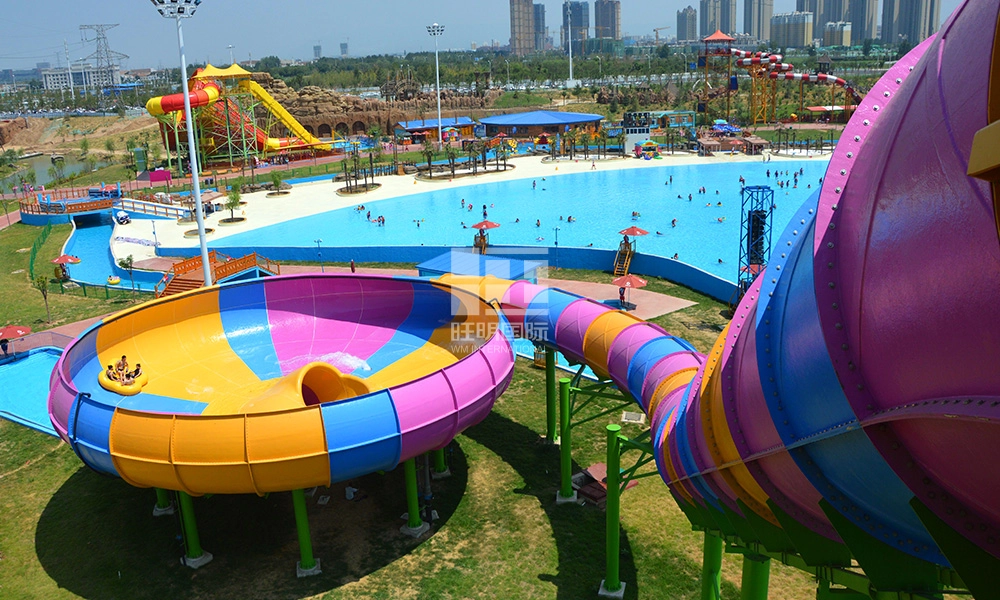
Huge Bowl Water Slide
The Huge Bowl Water Slide has achieved the “World's Best New Water Amusement Equipment” Award; it is the new favorite of the young people and the star project of the water park. The raft carries the tourists slowly entering the closed chute first; then it whirls in the bowl the moment the tourists can see the light. After a short period of time, the raft is suddenly suctioned into a huge black hole until it falls into the water. For a moment, the tourists realize the breathtaking journey has been safely brought to an end.
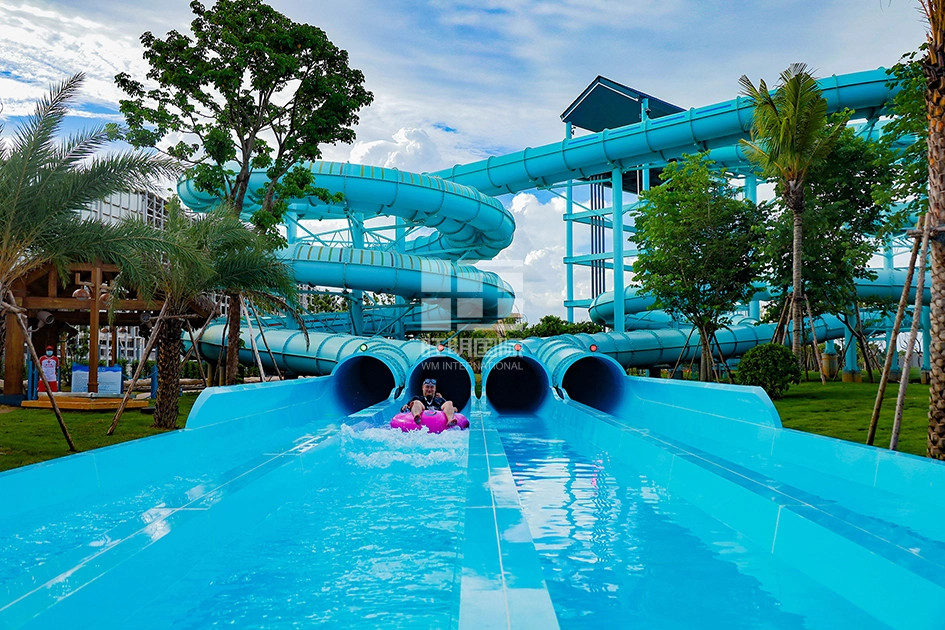
Time Tunnel Water Slide
The biggest feature of the time tunnel slide is that it uses double water slides and double tubes side by side in design and competes along the circular slide path. 8 people can play at the same time, with a large passenger capacity and high return rate, which is very suitable for team and family travel. And the slide is equipped with WangMing International's time tunnel technology, and the interior of the slide presents a beautiful aurora effect, with colorful lights, as if traveling through time and space.
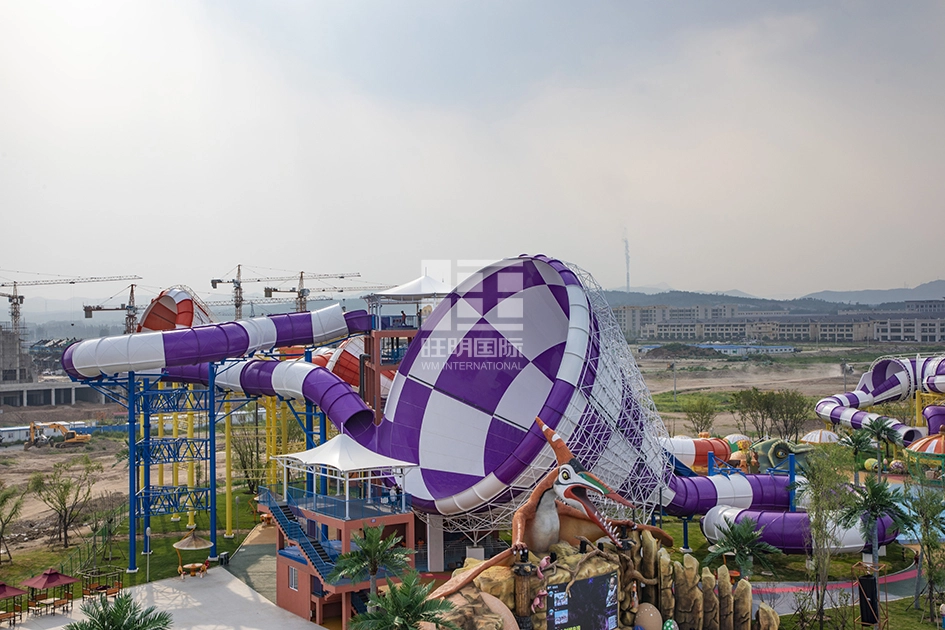
Big Tourbillion Water Slide
The Big Tourbillion water Slide won the "Gold Ticket Award - The Best New Project" of the international tourism industry. With unique modelling, strong irritation and humor, it is deeply loved by the young people; it has always been the popularity star of the water park. The raft carries the tourists as they enter the dark, closed chute slowly from the more than ten-meter-high platform; under the effect of gravity and water flow, it enters the state of rapid falling and then drops into the big Tourbillon; after a few times of whirling, it falls into the water pool. At this moment, the tourists are still in shock.
Get in touch
Have to get customized water park solutions and product quotes.
We will provide you with professional consultation and support.

Relying on leading technology, innovative products and rich industry experience, we tailor personalized solutions for each water park project to ensure a safe and exciting entertainment experience for tourists.
 Scan QR Code
wmwaterslide
wmwaterpark