





Cost Breakdown: Buying Commercial Water Slides
- Why rigorous cost planning matters for a water‑park investment
- Investment risk and return — what I look for
- Regulatory, safety and insurance implications
- Site selection and geotechnical considerations
- Detailed cost breakdown: buying commercial water slides
- Capital costs: slide types, materials and manufacturing
- Site & installation costs: foundations, cranes, and civil works
- Operational & lifecycle costs: maintenance, staffing and utilities
- Choosing the right commercial water slides for sale: key value drivers
- Design capacity and throughput
- Material quality, finish and warranty
- Customization, theming and guest experience
- Procurement, contracting and maintenance planning
- Selecting a supplier and negotiating contract terms
- Installation, commissioning and staff training
- Maintenance contracts and spare parts strategy
- Comparative cost table: sample project scenarios
- Why supplier experience and factory scale matter (case for a trusted partner)
- Manufacturing scale reduces lead times and cost risk
- Service network and global installations
- Warranties, certifications and verifiable references
- About WangMing Waterslide — manufacturer and full‑service partner
- FAQ — Frequently Asked Questions
- 1. How much do commercial water slides for sale typically cost?
- 2. What ongoing costs should I expect after purchase?
- 3. How do I compare quotes from different suppliers?
- 4. Are there industry standards or safety guidance I should require?
- 5. What is the typical lead time from order to handover?
- 6. Should I buy locally or import slides?
- Next steps & contact
I advise operators and investors worldwide on planning, procuring and operating water attractions. If you are searching for commercial water slides for sale, you need more than a sticker price: you need a complete, verifiable cost model that accounts for manufacturing, transport, foundations, installation, safety compliance, commissioning, maintenance and operational overhead. Below I lay out the detailed cost drivers, typical price ranges, selection criteria and procurement tips that will help you budget accurately and minimize surprises.
Why rigorous cost planning matters for a water‑park investment
Investment risk and return — what I look for
When investors evaluate commercial water slides for sale, they often focus purely on headline cost per slide. In my experience the real value lies in throughput (riders per hour), reliability, guest experience and lifecycle costs — all of which directly affect occupancy, per-capita spend and operating margin. Accurate cost planning lets you forecast payback period, IRR and sensitivity to attendance variation.
Regulatory, safety and insurance implications
Safety-related requirements can materially change project costs: splash pools, lifeguard stations, drainage and filtration, non-slip surfacing, fencing, signage and emergency access are not optional. Industry guidance from the International Association of Amusement Parks and Attractions (IAAPA) and common regulatory frameworks inform design and operational practices (IAAPA). For water quality and operational hygiene, WHO guidelines for recreational waters are widely accepted references (WHO Guidance).
Site selection and geotechnical considerations
Site conditions — soil bearing, slope, access for cranes and trucks, local climate and permitting timelines — can add significant cost. Unstable soils require deeper foundations or concrete pads for slide towers; remote sites increase freight and mobilization expenses. I always budget contingencies for unforeseen groundworks (typically 10–25% of site works).
Detailed cost breakdown: buying commercial water slides
Capital costs: slide types, materials and manufacturing
Commercial water slides for sale fall into several families: enclosed tube slides, open flumes, family raft slides, mat racers and multi-lane racers. Materials are typically GRP (fiberglass-reinforced plastic) with UV-resistant gelcoats, stainless steel support structures and coated mild-steel towers. Manufacturing complexity (spirals, integrated theming, translucent sections, LED effects) increases price. From my procurement work, typical manufacturing price bands are shown in the table below.
| Slide type | Typical unit cost (manufacture only) | Notes |
|---|---|---|
| Single open flume (simple) | $15,000 – $45,000 | Low height, limited theming |
| Enclosed tube slide | $30,000 – $120,000 | Needs support structure; price rises with length/diameter |
| Family raft / multi-passenger | $80,000 – $300,000 | Requires larger catch pools and higher-capacity pumps |
| Multi-lane racer / mat racer | $50,000 – $250,000 | Includes tower, lanes and timed scoring options |
| Custom themed complex | $200,000 – $1,500,000+ | Large integrated systems; varies with theming & site works |
Sources: manufacturer price ranges and my aggregated project experience. Exact quotes should be requested for firm budgeting.
Site & installation costs: foundations, cranes, and civil works
Installation costs typically match or exceed manufacture costs on complex installations. You must consider:
- Foundations and concrete work: tower foundations, splash pool basins
- Structural steel and tower assembly
- Hoisting and crane days — remote or tall towers increase crane hire
- Mechanical & plumbing: pumps, filters, valves, thermal insulation
- Electrical: control panels, lighting, sensors
As a rule of thumb I budget 20–60% of slide manufacture cost for installation on simple projects, and 50–150% on complex, themed or constrained sites.
Operational & lifecycle costs: maintenance, staffing and utilities
Operational costs keep the slide safe and attractive. Key line items include:
- Water treatment and chemical costs: filtration, disinfection and testing (WHO guidance applies) (WHO).
- Energy: pumps and heating (if applicable). Large raft systems can draw significant kW.
- Routine maintenance and replacement parts: gelcoat repairs, joint seals, pump rebuilds.
- Staffing: lifeguards, attendants, maintenance technicians.
- Insurance and regulatory inspection costs.
Annual operational expenditure (OPEX) commonly runs 5–15% of initial project CAPEX in well-managed parks; for energy-intensive systems it can be higher. I recommend modeling OPEX conservatively for your financial plan.
Choosing the right commercial water slides for sale: key value drivers
Design capacity and throughput
Not all slides are created equal in terms of throughput. A high-capacity multi-passenger raft ride may cost more upfront but can deliver higher riders-per-hour and shorter queues, improving guest satisfaction and per-guest spend. I always evaluate slides by cost-per-rider-per-hour in addition to purchase price.
Material quality, finish and warranty
Choose GRP with proven gelcoats, UV stabilizers and stainless-steel fastenings. Verify the supplier’s warranty (typical: 2–5 years structural and finish guarantees) and ask for historical projects you can inspect. Longer warranties and local spare-part availability reduce lifecycle risk.
Customization, theming and guest experience
Customization (theming, interactive elements, lighting) can be a differentiator but often has diminishing returns. Allocate theming budget smartly: high-impact sightlines, themed queuing and distinctive ride motifs give better ROI than excessive custom mold complexity.
Procurement, contracting and maintenance planning
Selecting a supplier and negotiating contract terms
When procuring commercial water slides for sale, evaluate suppliers on:
- Technical capability and factory scale (capacity to deliver on schedule)
- References and completed projects you can inspect
- After-sales service network and spare-parts availability
- Warranty scope, exclusions and lead times for parts
- Certificates and compliance with local codes
Include performance milestones and retention clauses tied to successful commissioning and acceptance tests to reduce delivery risk.
Installation, commissioning and staff training
Ensure the contract covers supervision during installation, commissioning tests (wet testing, throughput validation, emergency procedures) and on-site training for lifeguards and maintenance techs. Proper commissioning reduces early-life failures and warranty claims.
Maintenance contracts and spare parts strategy
Negotiate a spare-parts kit and recommended preventative maintenance schedule. Many operators sign annual service contracts covering pump servicing, gelcoat inspections and equipment calibration. A predictable maintenance plan lowers unexpected downtime and can be budgeted as an OPEX line item.
Comparative cost table: sample project scenarios
| Scenario | Scope | Estimated CAPEX Range (USD) | Notes |
|---|---|---|---|
| Small family attraction | 1–2 small slides, simple pool, filtration | $80,000 – $250,000 | Lower site prep; limited staff |
| Medium waterpark expansion | 3–6 mixed slides, tower, pumps, queueing | $400,000 – $1,200,000 | Includes moderate theming and civil works |
| Large bespoke complex | Multiple raft rides, wave pool tie-ins, substantial theming | $1,500,000 – $10,000,000+ | High design, heavy civil works and infrastructure |
Numbers above are indicative ranges based on manufacturer quotes, my project history and commonly observed market prices. Always obtain firm quotations and include contingency allowances.
Why supplier experience and factory scale matter (case for a trusted partner)
Manufacturing scale reduces lead times and cost risk
Large, modern production bases provide consistent quality, better QA processes and predictable delivery. A supplier that fabricates many slide sections per month can also offer shorter lead times and competitive pricing. Verify factory capacity and recent delivery records.
Service network and global installations
Choose suppliers with global installation experience and local support partners. This reduces travel costs for technicians, shortens spare parts delivery times and ensures local compliance knowledge.
Warranties, certifications and verifiable references
Request third-party certificates and ask for full contact details of recent clients whose rides you can inspect. IAAPA and local regulatory bodies often list recommended practices; a supplier familiar with these standards helps you avoid retrofits and fines (Wikipedia: Water Park for industry context).
About WangMing Waterslide — manufacturer and full‑service partner
With 19 years of industry experience, WangMing Waterslide provides a full range of water park planning and design services. From water park planning and design to manufacturing, installation and maintenance, we provide comprehensive service solutions to transform your park vision into vibrant realities. Whether it’s the design and development of new parks or maintaining existing ones, our decades of combined experience as park operators, designers, suppliers, and guests can give you the edge that you need to create world-class amusement, theme, and water park attractions. WangMing owns a 100000 m² modern production base, which is the largest in the industry. We mainly produce various water slides for water parks. Each project is a reflection of our professional capabilities, showing how we can provide tailor-made solutions based on different customer needs and site characteristics.
WangMing’s competitive strengths include full in‑house design and fabrication, a large production footprint that shortens lead times, and integrated project services from concept design to handover. Our major product lines: water park design, water park construction, water slides, water play attractions and wave making equipment. Learn more at WangMing Waterslide or contact trading@wmwaterslide.com for quotations and project consultation.
FAQ — Frequently Asked Questions
1. How much do commercial water slides for sale typically cost?
Costs vary widely: a simple single flume can be $15k–$45k while complex raft systems and themed complexes can exceed $1M. Include installation, civil works, pumps, electrical and commissioning when budgeting.
2. What ongoing costs should I expect after purchase?
Plan for water treatment, energy, regular maintenance, spare parts, lifeguard staffing and insurance. OPEX is often 5–15% of CAPEX annually but can be higher for energy-intensive attractions.
3. How do I compare quotes from different suppliers?
Compare total delivered cost (manufacture + transport + installation), warranty terms, spare-parts supply, commissioning support and references. Evaluate throughput and lifetime operating implications, not just purchase price.
4. Are there industry standards or safety guidance I should require?
Yes. Ask suppliers about compliance with internationally recognized best practices (IAAPA guidance) and local regulatory requirements. For water quality and hygiene, consult WHO guidance for recreational water environments (WHO).
5. What is the typical lead time from order to handover?
Lead time depends on complexity and factory schedule: from 8–12 weeks for simple slides up to 6–12+ months for large themed complexes. Include time for permits and site works in your schedule.
6. Should I buy locally or import slides?
Local suppliers reduce transport, customs and warranty logistics; reputable international suppliers may offer technological advantages or pricing. Evaluate total landed cost and after-sales support when deciding.
Next steps & contact
If you want a tailored cost estimate for your site, I recommend the following immediate steps: 1) Define target capacity (riders/hour) and guest profile; 2) Share site survey, geotechnical report and local codes; 3) Request detailed quotes from 2–3 vetted suppliers, including WangMing Waterslide. For direct inquiries and project quotes, visit https://www.wmwaterslide.com or email trading@wmwaterslide.com. I can help review proposals, benchmark costs and prepare a procurement checklist so you get transparent pricing and lower risk on delivery.
Recommended
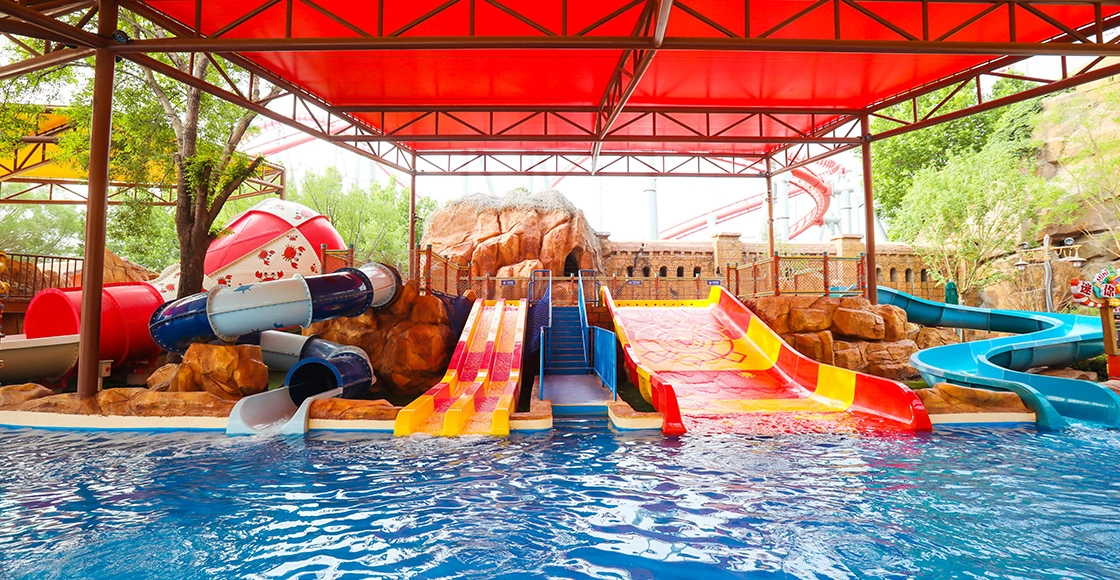
How to Choose the Right Children Combined Water Slide
WM INTERNATIONAL Best professional water amusement park equipment manufacturers and supplier brands
Wholesale oem family water slide manufacturer and supplier
Top 10 Best Water Slides for Kids for Small Parks
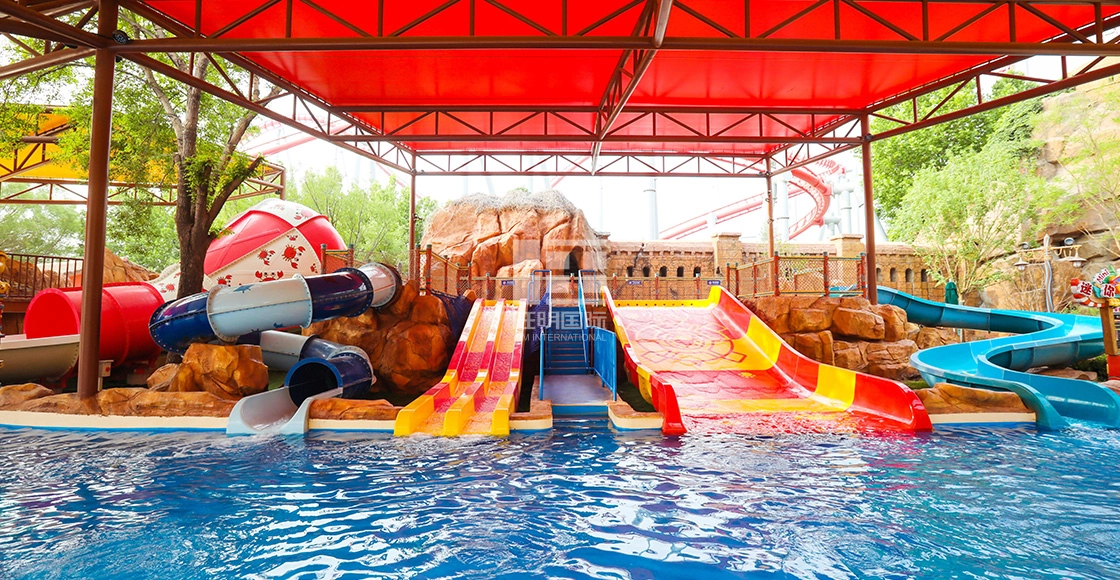
Children Combined Water Slide
Discover endless fun with the Children Combined Water Slide by WM INTERNATIONAL, expertly crafted for thrill-seeking kids. Perfect for summer splashes, this durable slide promises safety and joy. Looking to elevate your play area? Explore our Children's Combined Slide for sale now!
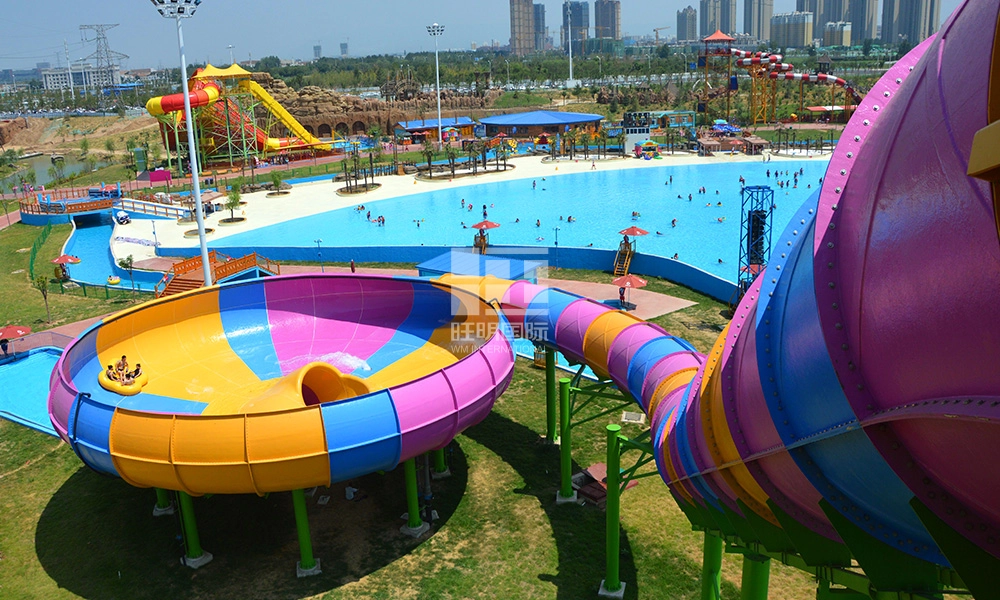
Huge Bowl Water Slide
The Huge Bowl Water Slide has achieved the “World's Best New Water Amusement Equipment” Award; it is the new favorite of the young people and the star project of the water park. The raft carries the tourists slowly entering the closed chute first; then it whirls in the bowl the moment the tourists can see the light. After a short period of time, the raft is suddenly suctioned into a huge black hole until it falls into the water. For a moment, the tourists realize the breathtaking journey has been safely brought to an end.
Time Tunnel Water Slide
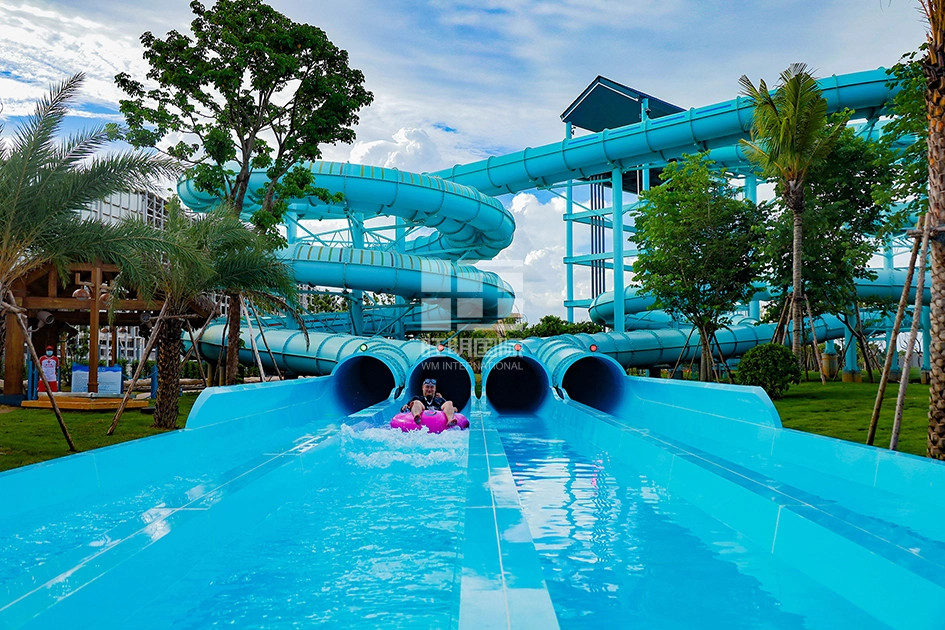
The biggest feature of the time tunnel slide is that it uses double water slides and double tubes side by side in design and competes along the circular slide path. 8 people can play at the same time, with a large passenger capacity and high return rate, which is very suitable for team and family travel. And the slide is equipped with WangMing International's time tunnel technology, and the interior of the slide presents a beautiful aurora effect, with colorful lights, as if traveling through time and space.
Big Tourbillion Water Slide
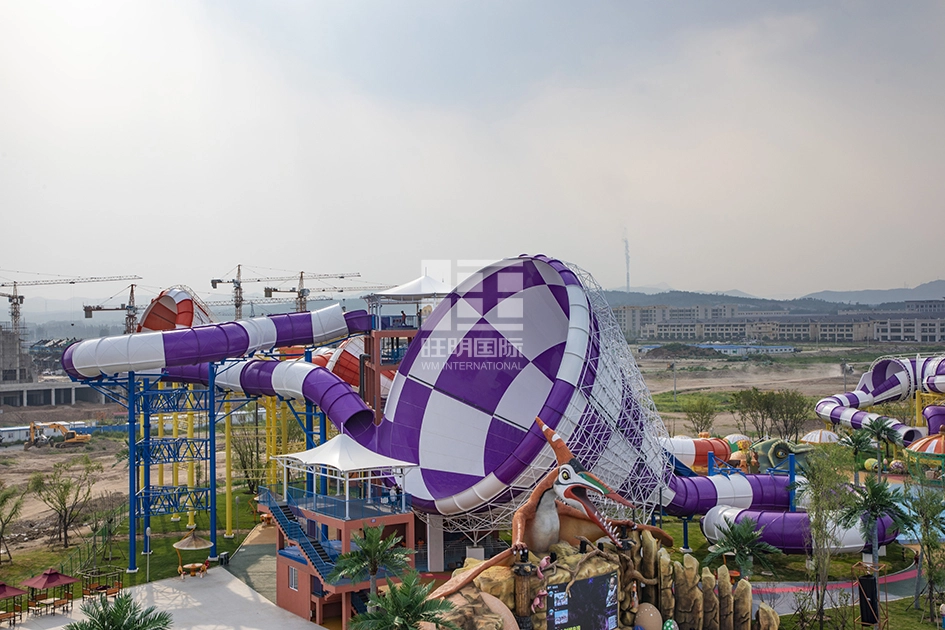
The Big Tourbillion water Slide won the "Gold Ticket Award - The Best New Project" of the international tourism industry. With unique modelling, strong irritation and humor, it is deeply loved by the young people; it has always been the popularity star of the water park. The raft carries the tourists as they enter the dark, closed chute slowly from the more than ten-meter-high platform; under the effect of gravity and water flow, it enters the state of rapid falling and then drops into the big Tourbillon; after a few times of whirling, it falls into the water pool. At this moment, the tourists are still in shock.
Get in touch
Have to get customized water park solutions and product quotes.
We will provide you with professional consultation and support.

Relying on leading technology, innovative products and rich industry experience, we tailor personalized solutions for each water park project to ensure a safe and exciting entertainment experience for tourists.
 Scan QR Code
wmwaterslide
wmwaterpark