



How to Choose the Best Water Slide for Kids: 8 Factors
- Design & Safety: Templates for Risk Reduction
- Regulatory Compliance and Standards
- Ride Geometry and Age-Appropriate Engineering
- Restraints, Surfacing and Impact Management
- Operational Capacity & Guest Flow Engineering
- Throughput Modeling and Queue Optimization
- Staffing and Lifeguard Visibility
- Accessibility & Inclusive Design
- Materials, Maintenance & Lifecycle Costing
- Material Selection: Durability vs. Cost
- Maintenance Regimes and Spare-Part Strategy
- Sanitation, Water Treatment and Environmental Controls
- Site Integration, Theming & Supplier Verification
- Space Constraints and Structural Considerations
- Thematic Fit and Guest Experience Strategy
- Supplier Due Diligence and QA/QC Procedures
- Procurement Checklist: 8 Decision Factors Summarized
- 1. Safety Certification and Documentation
- 2. Age Segmentation and Ride Profiles
- 3. Throughput and Operational Efficiency
- 4. Materials, Warranties and Lifecycle Costs
- 5. Installation, Structural Requirements and Access
- 6. Water Treatment and Sanitation Integration
- 7. Theming and Future-Proofing
- 8. Supplier Capability and After-Sales Support
- WM International: Partnering for Reliable Kids’ Attractions
- Frequently Asked Questions
Choosing a children’s aquatic attraction requires a procurement-grade evaluation that prioritizes safety certifications, ride geometry matched to developmental stages, hourly throughput planning, durable materials and realistic lifecycle costing. This guide breaks down eight decisive criteria for selecting the right kids’ slide—covering compliance, age segmentation, capacity engineering, construction materials, maintenance strategies, thematic integration, site constraints and supplier verification—then offers comparative data, procurement checklists and how a qualified manufacturer-partner can de-risk project delivery for owners and operators.
Design & Safety: Templates for Risk Reduction
Regulatory Compliance and Standards
Buyers should confirm that any children-focused flume meets internationally recognized safety frameworks and local codes. Relevant references include industry test methods and safety recommendations found at ASTM International standards, consumer-safety guidance from the U.S. Consumer Product Safety Commission, and engineering best-practices documented on water attraction pages such as water slide (Wikipedia). Verify conformity certificates, third-party inspection reports, and materials traceability documentation as part of tender evaluation.
Ride Geometry and Age-Appropriate Engineering
Design parameters must be matched to developmental factors: heel-to-toe foot length, center of mass, reaction time and perceived risk. For toddlers and preschoolers, select low-slope, wide-bed slides with shallow run-outs; for older children, progressive drops and open-bowl elements can be specified with controlled velocity. Procurement documents should include maximum design speeds, gradient percentages, exit pool depths and splash zone footprints to ensure compliance with local life-safety codes.
Restraints, Surfacing and Impact Management
Effective safety design goes beyond the slide itself. Landing zones must integrate anti-slip surfaces, energy-dissipating pools or run-outs and clear sightlines for lifeguards. Specify materials with defined coefficient-of-friction values and include maintenance protocols for surface resurfacing intervals. Include sensor-ready attachment points for optional monitoring systems if operators want analytics-driven lifeguard deployment.
Operational Capacity & Guest Flow Engineering
Throughput Modeling and Queue Optimization
Performance metrics should be expressed as target riders per hour. Use throughput modeling to size the number of lanes or parallel runs, balancing peak demand with available deck space. For family attractions, aim for moderate dwell times (30–90 seconds per ride) and plan staging zones with safe ingress/egress. A procurement specification should request simulated throughput diagrams and predicted peak-hour wait times from suppliers.
Staffing and Lifeguard Visibility
Operational safety ties to sightlines and staffing ratios. Specify lifeguard stands with unobstructed views and incorporate design elements that minimize blind spots—low parapets, transparent barriers, and elevated platforms. Include recommended staffing schedules from suppliers and operational training packages as part of the scope to reduce on-boarding time for new parks.
Accessibility & Inclusive Design
Design must address universal access: ramps or transfer platforms for children with limited mobility, tactile surfaces for visually impaired guests and clear signage. Integrate ADA-compliant approaches for load/unload areas and ensure water depth is appropriate for assisted transfers. Inclusive attractions improve market reach and can increase repeat visitation among family demographics.
Materials, Maintenance & Lifecycle Costing
Material Selection: Durability vs. Cost
Common materials include fiberglass composites, rotationally molded HDPE, and reinforced PVC for temporary attractions. Fiberglass generally offers better long-term durability and finish quality for themed installations; HDPE provides impact resistance and color stability for modular play pieces; inflatables suit seasonal or temporary activations. Specify expected design life, UV resistance ratings, and warranty terms in procurement documents.
Maintenance Regimes and Spare-Part Strategy
Buyers should ask for preventive maintenance schedules, mean time between repairs (MTBR) estimates and recommended spare-part kits. A transparent maintenance plan reduces lifecycle costs: include expected annual labor hours, typical part-replacement intervals for seals and bearings, and recommended chemical handling procedures for water quality systems. Lifecycle cost modeling—capital cost plus 10–15 years of maintenance—helps compare alternative proposals objectively.
Sanitation, Water Treatment and Environmental Controls
Water quality management is core to operational safety. Specify filtration capacity, turnover rates, disinfection systems and chemical storage. Align treatment design with CDC water-safety guidance at CDC water safety guidance. Procuring integrated wave, filtration and treatment packages reduces scope fragmentation and helps ensure regulatory compliance.
Site Integration, Theming & Supplier Verification
Space Constraints and Structural Considerations
Site planning must account for footprint, vertical clearance, foundation loads, and stormwater. For rooftop and constrained urban parks, low-profile modular slides or compact spiral configurations often perform better. Request geotechnical and structural requirements from suppliers and include installation access plans for cranes or temporary rigging in the bid documents.
Thematic Fit and Guest Experience Strategy
Children’s attractions deliver higher ROI when integrated into a coherent story. Assess how color palettes, sculptural elements, interactive water features and lighting will attract target family segments. Consider modular themed cladding that allows future retheming with limited structural changes—this reduces future capital expense and refreshes guest interest.
Supplier Due Diligence and QA/QC Procedures
Procurement teams should evaluate manufacturer capacity, production facility audits, ISO certifications (for quality management) and previous project case studies. Require factory acceptance testing (FAT), non-destructive testing (NDT) reports for structural components and on-site installation supervision from the manufacturer. Reviewing previous client references and site visits to operating parks is a best practice for verifying claims.
| Attribute | Fiberglass Slide | HDPE / Modular Slide | Inflatable / Seasonal |
|---|---|---|---|
| Typical Lifespan | 15–25 years | 10–15 years | 2–5 years |
| Durability | High - excellent finish, UV stable with gelcoat | Medium - impact resistant, good color retention | Low - susceptible to puncture and UV degradation |
| Maintenance Intensity | Medium - periodic polish and joint inspection | Low to medium - panel checks and fastener replacement | High - frequent repairs and seam checks |
| Installation Complexity | High - precision alignment and structural supports | Medium - modular assembly | Low - rapid deployment but seasonal |
| Best Use Case | Permanent themed family attractions | Playgrounds and modular family zones | Temporary activations and event-based programming |
Procurement Checklist: 8 Decision Factors Summarized
1. Safety Certification and Documentation
Require safety certificates, FAT reports, lab test results and a compliance traceability matrix in supplier proposals.
2. Age Segmentation and Ride Profiles
Define target age bands and request ride performance curves, including maximum safe velocity and exit conditions for each proposed element.
3. Throughput and Operational Efficiency
Ask for simulated hourly capacity and queuing studies to ensure the attraction meets revenue and guest-flow targets.
4. Materials, Warranties and Lifecycle Costs
Compare warranties, expected service life, and include 10-year operating cost projections for apples-to-apples comparisons.
5. Installation, Structural Requirements and Access
Insist on installation method statements, crane plans, foundation drawings and timeline commitments in commercial offers.
6. Water Treatment and Sanitation Integration
Ensure the supplier coordinates filtration, disinfection and monitoring systems with the slide installation to prevent scope gaps.
7. Theming and Future-Proofing
Select finishes and cladding strategies that allow economical retheming and component replacement.
8. Supplier Capability and After-Sales Support
Validate factory capacity, quality management systems, spare-part supply chains and on-site maintenance training offerings before award.
WM International: Partnering for Reliable Kids’ Attractions
With 19 years of industry experience, WM International Waterslide provides a full range of water park planning and design services. From water park planning and design to manufacturing, installation and maintenance, we provide comprehensive service solutions to transform your park vision into vibrant realities. Whether it’s the design and development of new parks or maintaining existing ones, our decades of combined experience as park operators, designers, suppliers, and guests can give you the edge that you need to create world-class amusement, theme, and water park attractions.
WM International owns a 100000 m² modern production base, which is the largest in the industry. We mainly produce various slides and water-play systems tailored to family and youth markets. Each project is a reflection of our professional capabilities, showing how we can provide tailor-made solutions based on different customer needs and site characteristics. Our engineering team provides detailed ride profiles, structural packages and maintenance plans to support procurement approvals and operational readiness.
Key product and service lines include water park design, water park construction, fiberglass and modular water slides, interactive water play attractions, and integrated water treatment or wave making equipment. WM International offers factory acceptance testing, on-site installation supervision and post-installation maintenance contracts that reduce operational risk and accelerate time-to-revenue for park owners. Prospective clients can review case studies and request technical documentation via the corporate website at https://www.wmwaterslide.com or contact the sales team at trading@wmwaterslide.com for tailored proposals.
For global buyers and operators, selecting the right children’s attraction means evaluating the full lifecycle and the supplier’s ability to deliver design integrity, durability and scalable guest experience. WM International’s combined capability across planning, manufacturing and on-site services positions owners to achieve robust safety outcomes, predictable OPEX and strong guest satisfaction.
Contact considerations for procurement teams: include warranty benchmarks, FAT schedules, spare-part lead times, installation logistics and operator training within RFPs to avoid scope drift and ensure predictable commissioning.
If verification of technical claims is required, buyers should request on-site inspections of operating parks, production-facility audits and copies of third-party test reports from manufacturers; these checks materially reduce procurement risk and support long-term operational reliability.
Immediately after the FAQ, please contact WM International or view our product catalog to request a customized quotation and technical package.
Frequently Asked Questions
What safety certifications should buyers require for children’s slides?
Buyers should require third-party compliance documents such as manufacturer safety certificates, FAT reports, material test results and adherence to recognized standards (for example, test methods referenced by ASTM International). Include a compliance traceability matrix in supplier proposals to verify conforming components and production batches.
How do operators match slide design to child age groups?
Specify target age bands in the RFP and request design deliverables that include maximum safe velocities, slope gradients, and exit zone depths. For toddlers use low-slope and wide-bed profiles; for tweens use progressive elements with controlled drops; provide developmental risk assessments to ensure appropriateness.
What material choices balance durability and lifecycle cost?
Fiberglass composites typically provide the longest service life and superior finish for permanent themed installations; HDPE offers modularity and impact resistance for play zones; inflatables are suitable for short-term activations. Compare expected lifespans, warranties and maintenance requirements to model total cost of ownership over 10–15 years.
How should procurement documents address throughput and queueing?
Include simulated riders-per-hour estimates, peak-hour queue projections and recommended staging layouts in supplier submissions. Request throughput modeling and dwell-time assumptions so the number of lanes and ride-cycle durations can be optimized against projected attendance.
What after-sales and maintenance support should be negotiated?
Negotiate preventive maintenance schedules, spare-part kits, on-site installation supervision, operator training, and defined response times for warranty repairs. Require MTBR estimates and maintenance labor-hour forecasts to include in lifecycle cost comparisons.
Recommended
Retrofit Options: Upgrading Existing Water Slides
The Best Water Park Slides for Thrill Seekers
Best professional water slides manufacturers and supplier brands
Best water splash park equipment manufacturers and supplier brands in 2026
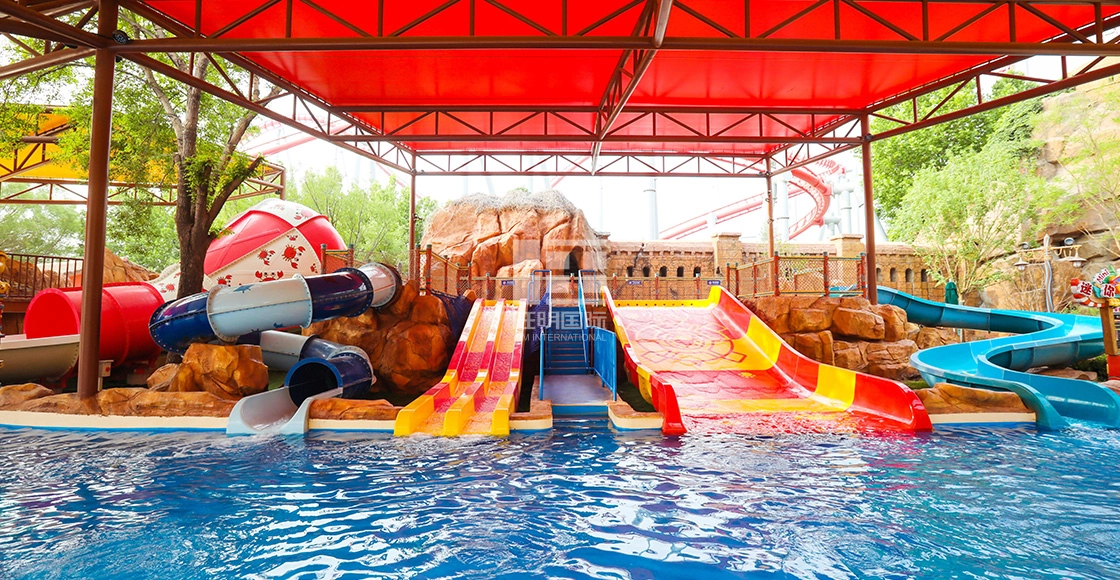
Children Combined Water Slide
Discover endless fun with the Children Combined Water Slide by WM INTERNATIONAL, expertly crafted for thrill-seeking kids. Perfect for summer splashes, this durable slide promises safety and joy. Looking to elevate your play area? Explore our Children's Combined Slide for sale now!
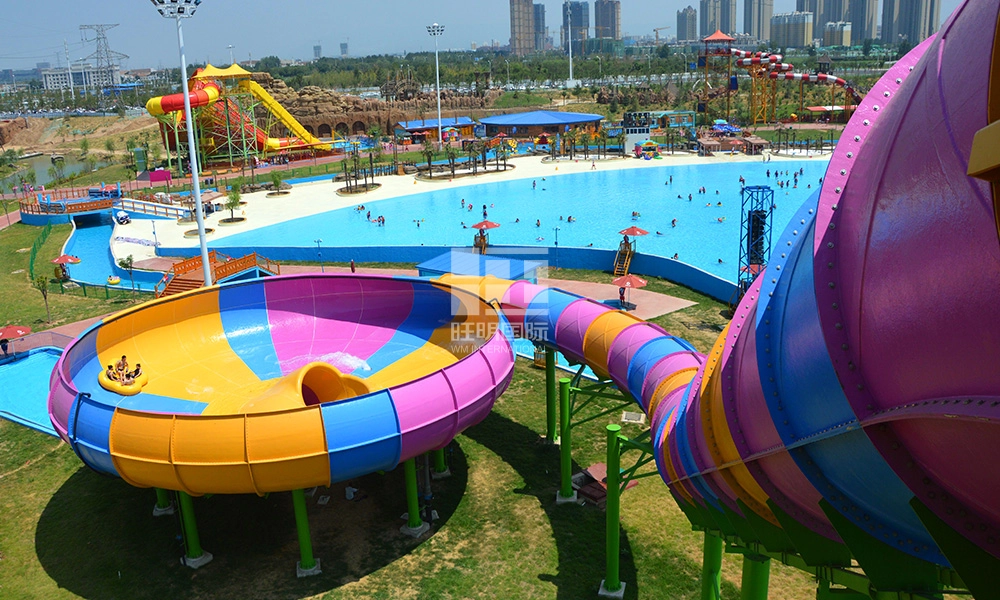
Huge Bowl Water Slide
The Huge Bowl Water Slide has achieved the “World's Best New Water Amusement Equipment” Award; it is the new favorite of the young people and the star project of the water park. The raft carries the tourists slowly entering the closed chute first; then it whirls in the bowl the moment the tourists can see the light. After a short period of time, the raft is suddenly suctioned into a huge black hole until it falls into the water. For a moment, the tourists realize the breathtaking journey has been safely brought to an end.
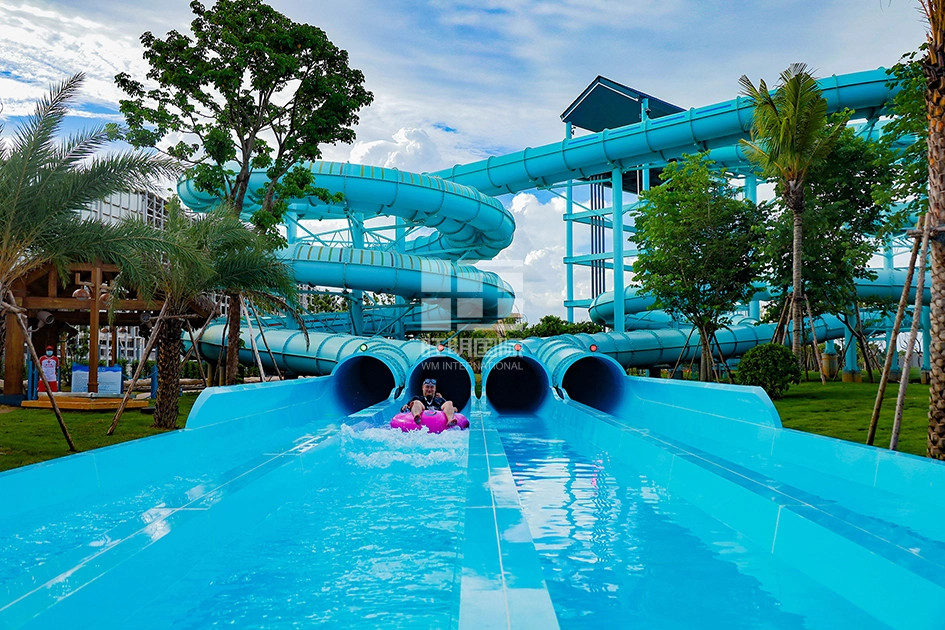
Time Tunnel Water Slide
The biggest feature of the time tunnel slide is that it uses double water slides and double tubes side by side in design and competes along the circular slide path. 8 people can play at the same time, with a large passenger capacity and high return rate, which is very suitable for team and family travel. And the slide is equipped with WangMing International's time tunnel technology, and the interior of the slide presents a beautiful aurora effect, with colorful lights, as if traveling through time and space.
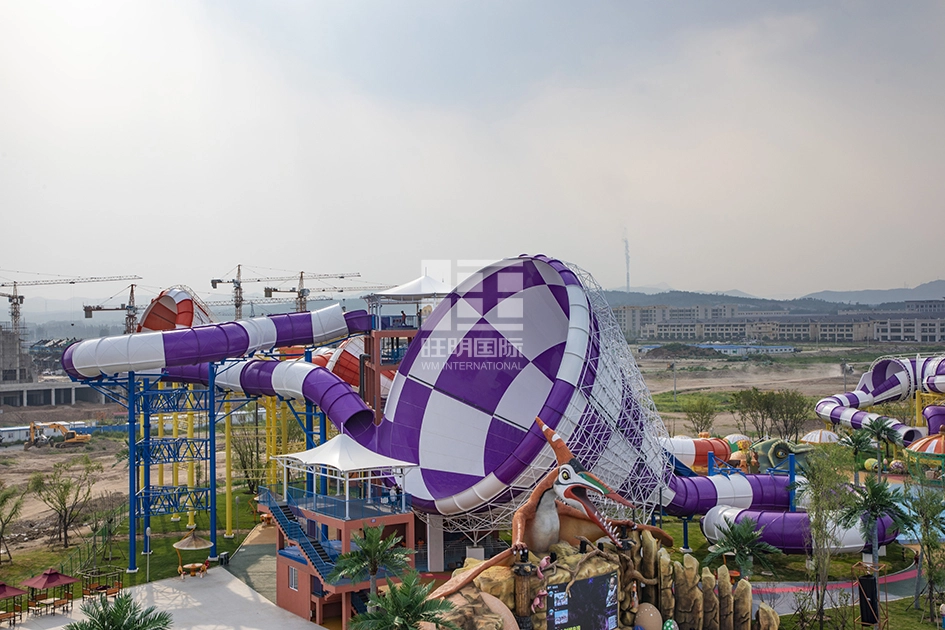
Big Tourbillion Water Slide
The Big Tourbillion water Slide won the "Gold Ticket Award - The Best New Project" of the international tourism industry. With unique modelling, strong irritation and humor, it is deeply loved by the young people; it has always been the popularity star of the water park. The raft carries the tourists as they enter the dark, closed chute slowly from the more than ten-meter-high platform; under the effect of gravity and water flow, it enters the state of rapid falling and then drops into the big Tourbillon; after a few times of whirling, it falls into the water pool. At this moment, the tourists are still in shock.
Get in touch
Have to get customized water park solutions and product quotes.
We will provide you with professional consultation and support.

Relying on leading technology, innovative products and rich industry experience, we tailor personalized solutions for each water park project to ensure a safe and exciting entertainment experience for tourists.
 Scan QR Code
wmwaterslide
wmwaterpark