


Bulk Water Slide Procurement for Resorts, Water Parks, and Developers
- How to Plan a Multi-Attraction Water Slide Purchase
- Define the business case and attraction mix
- Compare total project scope, not just equipment price
- Technical Due Diligence, Safety, and Supplier Evaluation
- Verify standards, documentation, and accountability
- Assess manufacturing quality and service readiness
- Delivery, Installation, and Long-Term Project Value
- Coordinate logistics and site readiness early
- Use phased purchasing and measurable acceptance criteria
- Matching Product Scope to the Project Team
- Coordinate design, attractions, and construction interfaces
- Build a comparable request for proposal
- Frequently Asked Questions
Bulk water slide procurement is a coordinated project decision involving attraction mix, site conditions, engineering, safety review, manufacturing quality, shipping, installation, and long-term operations. Resorts, water parks, and developers should compare complete project scope rather than headline prices, verify that proposed systems suit the intended guest profile and site, and establish documentation and delivery responsibilities before placing an order. A clear procurement brief helps buyers evaluate water slide ride suppliers for parks on comparable terms, reduce schedule and change-order risk, and select attractions that support capacity, guest experience, and lifecycle value.
How to Plan a Multi-Attraction Water Slide Purchase
Define the business case and attraction mix
Begin with the commercial role each attraction needs to play. A destination resort may prioritize visually distinctive slides that strengthen its family offering, while a regional water park may need high-throughput attractions that distribute guests across the site. A real estate developer planning a mixed-use destination may value a compact water play zone that can be phased or integrated with hotel and leisure facilities. These priorities influence ride type, height, footprint, capacity, age suitability, and the degree of theming required.
Build a written brief that identifies the target visitor groups, expected operating season, desired capacity, available land, project budget, opening date, and expansion plans. Record constraints such as access roads, topography, nearby buildings, utility connections, and local planning requirements. When several attractions are being purchased together, assess how their queues, splashdown areas, stairs, and maintenance access interact. A collection of individually appealing rides can still create bottlenecks if the circulation plan is weak.
Ask prospective suppliers to map proposed attractions to the brief rather than relying on a product catalogue alone. The comparison should show each ride’s footprint, structural assumptions, operating concept, and interfaces with pools, platforms, pumps, and site utilities. This makes it easier to identify scope gaps before design development and to distinguish a complete system proposal from a price that covers only selected components.
Compare total project scope, not just equipment price
A bulk quotation can include very different combinations of design services, slide sections, support structures, launch areas, splashdown systems, freight, installation supervision, commissioning, training, and warranty coverage. Buyers should request a line-item scope matrix and identify who is responsible for civil works, foundations, electrical systems, water treatment, permits, cranes, and local contractors. Clear boundaries prevent disputes when equipment arrives but enabling works or site connections are incomplete.
Evaluate total cost of ownership alongside the initial purchase price. Relevant cost drivers include freight and import charges, construction interfaces, staffing, cleaning, inspections, replacement components, energy and water use, and downtime during peak periods. Supplier quotations should state assumptions, exclusions, payment milestones, delivery terms, and the process for approving design changes. A lower equipment price may not represent better value if it shifts technical coordination or installation risk to the owner.
| Procurement approach | Typical scope emphasis | Buyer benefit | Risk to manage |
|---|---|---|---|
| Equipment-only purchase | Selected ride components or slide systems | Can suit experienced operators with established designers and contractors | Interfaces, installation, and commissioning responsibilities may be divided among parties |
| Coordinated attraction package | Multiple rides with defined technical interfaces and shared project coordination | Supports consistent documentation and planning across a group of attractions | Buyers must confirm exactly which services and site works are included |
| Design-and-build project | Attractions coordinated with broader water park design and construction scope | Can simplify coordination when the contract clearly assigns integration responsibilities | Requires careful review of exclusions, local approvals, and change-control terms |
Technical Due Diligence, Safety, and Supplier Evaluation
Verify standards, documentation, and accountability
Safety and compliance should be addressed during concept development, not treated as a final inspection task. Applicable requirements depend on the project location, the attraction type, and the authority having jurisdiction. Buyers should ask which regulations and standards the design is intended to meet, who will provide calculations and drawings, and how local engineering review and permitting will be supported. A standard is not a substitute for local approval, and responsibility for obtaining permits should be explicit in the contract.
For water slide systems, buyers can review the scope of ASTM F2374, which addresses design, manufacture, construction, and operation of water slide systems. For aquatic facility planning and operations, the CDC Model Aquatic Health Code provides guidance intended to help reduce illness and injury risks in public aquatic venues; local adoption and requirements vary. A documented quality-management system can also be evaluated against the relevant requirements of ISO 9001. Buyers should verify current editions, applicability, certification status, and local legal obligations rather than assuming that a reference alone proves compliance.
Request technical submittals appropriate to the project, such as general arrangement drawings, structural information, materials specifications, installation instructions, inspection and maintenance guidance, and operating limitations. Confirm how revisions are controlled and whether the owner receives the final as-built documentation. Where third-party reviews or testing are required, identify the responsible organization, scope, timing, and cost before award.
Assess manufacturing quality and service readiness
Supplier qualification should examine the processes behind the equipment as well as the finished product. Buyers can ask how materials are identified and inspected, how fabrication and assembly are checked, how nonconforming items are handled, and what records accompany shipment. If a factory visit is not practical, request a documented quality plan, sample inspection records, product references that can be verified, and a clear explanation of inspection hold points.
After opening, access to technical support and replacement parts can affect ride availability. Establish warranty duration and exclusions, response channels, spare-parts recommendations, service documentation, and the procedure for reporting defects. Ask whether training is available for operators and maintenance teams, and clarify which inspections must be completed by qualified personnel. Buyers should also plan for routine condition monitoring, cleaning, and maintenance in line with supplier instructions and applicable rules.
When comparing water slide ride suppliers for parks, use a consistent scorecard covering technical fit, relevant project evidence, documentation quality, delivery plan, after-sales support, and total commercial terms. Request references for projects of similar scale or operating context and ask specific questions about schedule coordination, installation support, and service responsiveness. The purpose is not to select the longest product list, but to verify that the supplier can meet the defined scope and coordinate effectively with the owner’s project team.
Delivery, Installation, and Long-Term Project Value
Coordinate logistics and site readiness early
Large attraction packages require coordinated planning for packing, transport, customs clearance where applicable, on-site storage, lifting equipment, and installation sequence. The project schedule should connect manufacturing milestones with civil construction, access availability, pool completion, utility readiness, and inspection dates. Buyers should ask for a delivery schedule that identifies dependencies and critical decision dates, not simply an estimated shipment month.
Before dispatch, confirm that the site can receive the shipment and protect components from weather, damage, or loss. Align packaging labels and shipment documentation with the installation plan so crews can identify parts efficiently. Define who verifies quantities and condition on arrival, how damage is documented, and how replacement or corrective work is handled. If the installation team depends on access equipment or local subcontractors, confirm their availability against the supplier’s mobilization plan.
Commissioning should be treated as a formal project stage. Agree on the checks, records, training, and sign-offs needed before operations begin, while recognizing that final acceptance and public opening remain subject to local approvals and owner procedures. A realistic schedule includes time for defect resolution and documentation handover rather than assuming that delivery automatically means readiness to operate.
Use phased purchasing and measurable acceptance criteria
For developers with a large master plan, phased procurement may help align investment with construction financing, demand, and opening strategy. Phasing can also make it easier to learn from early operations before adding later attractions. However, future expansion should be considered in the initial layout: reserve space for circulation, utilities, access, and potential connections so that later work does not disrupt operating areas or require avoidable rework.
Include measurable acceptance criteria in the purchase documents. These may address completeness of the agreed scope, delivery condition, submitted documentation, installation milestones, training delivery, and resolution of specified defects. Acceptance criteria should be practical, tied to the contract, and reviewed by the project’s technical and legal advisers. Payment milestones should correspond to verifiable progress and agreed deliverables rather than vague statements of completion.
Project owners can also track value after opening through operational indicators such as attraction availability, maintenance hours, queue patterns, guest feedback, and the performance of different zones. These observations can inform staffing, operating procedures, and future investment choices. No single metric determines attraction success; results need to be interpreted in the context of seasonality, attendance, ride mix, and the park’s overall guest journey.
Matching Product Scope to the Project Team
Coordinate design, attractions, and construction interfaces
Bulk purchasing creates an opportunity to coordinate attractions as part of a broader destination plan. Our product scope includes water park design, water park construction, water slides, water play attractions, and wave making equipment. For buyers, the practical value of considering these categories together is the opportunity to review how attractions relate to circulation, guest capacity, pool and utility planning, and construction sequencing before key decisions are fixed.
Our team can discuss the required product mix and project scope with owners, operators, and developers, while project-specific engineering, approvals, installation responsibilities, and delivery terms should be confirmed in the applicable proposal. Buyers evaluating a package should share site information, intended opening dates, target visitor groups, and procurement boundaries early. This gives both parties a clearer basis for determining what is included, which design inputs remain outstanding, and where independent local specialists are required.
Build a comparable request for proposal
A strong request for proposal helps project teams compare offerings fairly. Include a site plan, project schedule, attraction objectives, budget assumptions, target guest groups, local codes or approval requirements known to the owner, and a list of required deliverables. Ask each bidder to identify exceptions, assumptions, service options, and proposed responsibilities. Invite suppliers to explain how they would address site constraints and what information is still needed before a firm design or price can be confirmed.
For owners considering our water park products, a useful first step is to separate confirmed requirements from open design questions. That distinction helps structure technical discussions without implying that a preliminary concept is a final engineering solution. It also supports more reliable comparisons between a single-attraction purchase, a coordinated slide package, and a broader water park development scope.
Bulk water slide procurement succeeds when commercial objectives, technical requirements, site readiness, and operating responsibilities are aligned before contract award. A disciplined comparison process enables resorts, water parks, and developers to select attractions based on verified fit and support, not price alone, and to reduce avoidable uncertainty from planning through opening.
Contact our team to discuss your project requirements or explore our water park, water slide, water play, and wave making equipment solutions.
Frequently Asked Questions
What should buyers compare when purchasing multiple water slides?
Compare attraction fit, capacity, footprint, technical documentation, manufacturing quality, delivery and installation scope, warranty, service support, and total cost of ownership. Request a line-item scope matrix so exclusions and responsibilities are clear.
Which safety standards apply to water slide systems?
Requirements depend on the project location, attraction type, and authority having jurisdiction. ASTM F2374 addresses design, manufacture, construction, and operation of water slide systems; buyers should verify the applicable edition, local rules, and required approvals for their project.
What documents should a water slide supplier provide?
Request project-appropriate drawings, structural information, material specifications, installation instructions, inspection and maintenance guidance, operating limitations, revision records, and final as-built documentation. Confirm any additional submittals required by local authorities or project reviewers.
How can project owners reduce delays during delivery and installation?
Coordinate manufacturing milestones with civil works, site access, utilities, lifting equipment, shipment and customs planning, storage, inspections, and installation crew availability. Confirm site readiness and shipment receipt responsibilities before dispatch.
Is the lowest equipment quotation always the best value?
No. The initial price may exclude design services, freight, installation, commissioning, training, spare parts, or site interfaces. Buyers should compare total project and lifecycle costs alongside scope, schedule, quality documentation, and support.
Can a water park project be procured in phases?
Yes, phased procurement can align investment with construction and opening plans, but future expansion should be considered early. Reserve space for circulation, utilities, access, and potential connections to reduce disruption and avoidable rework later.
Recommended

Top 10 Features to Look for in a Giant Water Slide
Why choose WM INTERNATIONAL as your boomerango slide supplier in 2026
Why choose WM INTERNATIONAL as your fiberglass water slide manufacturer
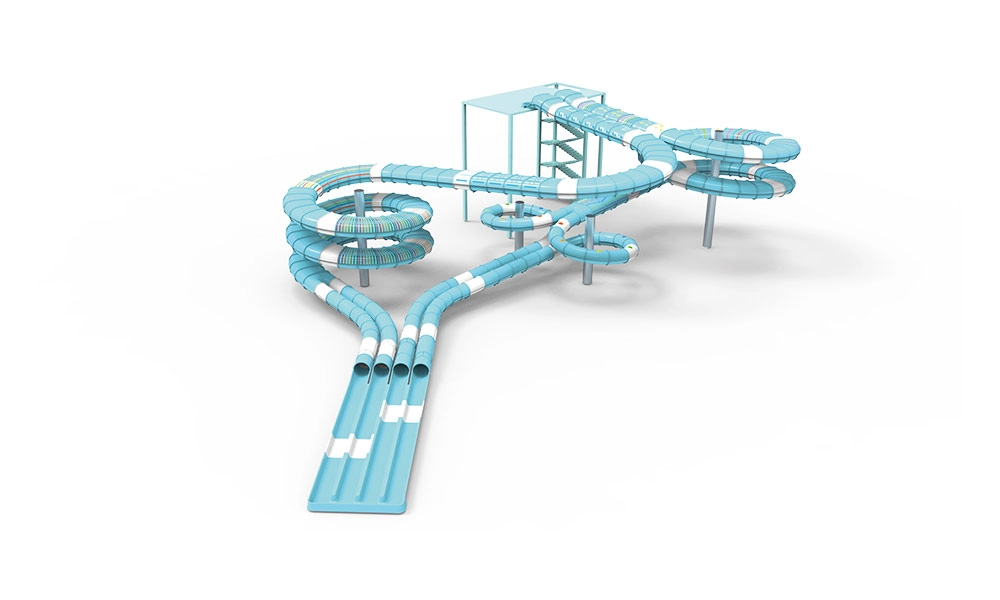
How to Choose Water Slide Manufacturers: Buyer's Checklist
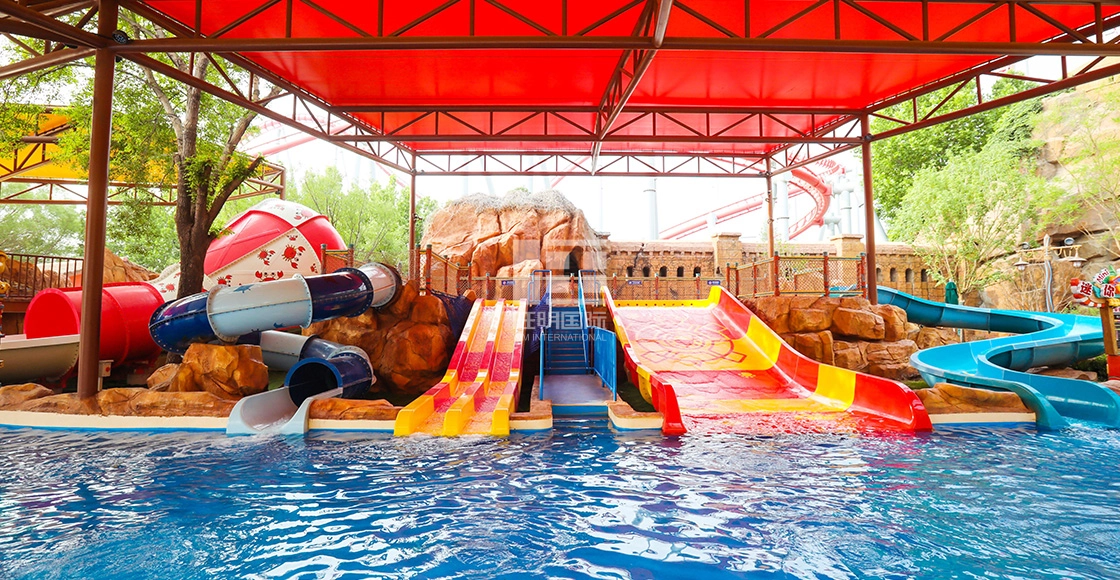
Children Combined Water Slide
Discover endless fun with the Children Combined Water Slide by WM INTERNATIONAL, expertly crafted for thrill-seeking kids. Perfect for summer splashes, this durable slide promises safety and joy. Looking to elevate your play area? Explore our Children's Combined Slide for sale now!
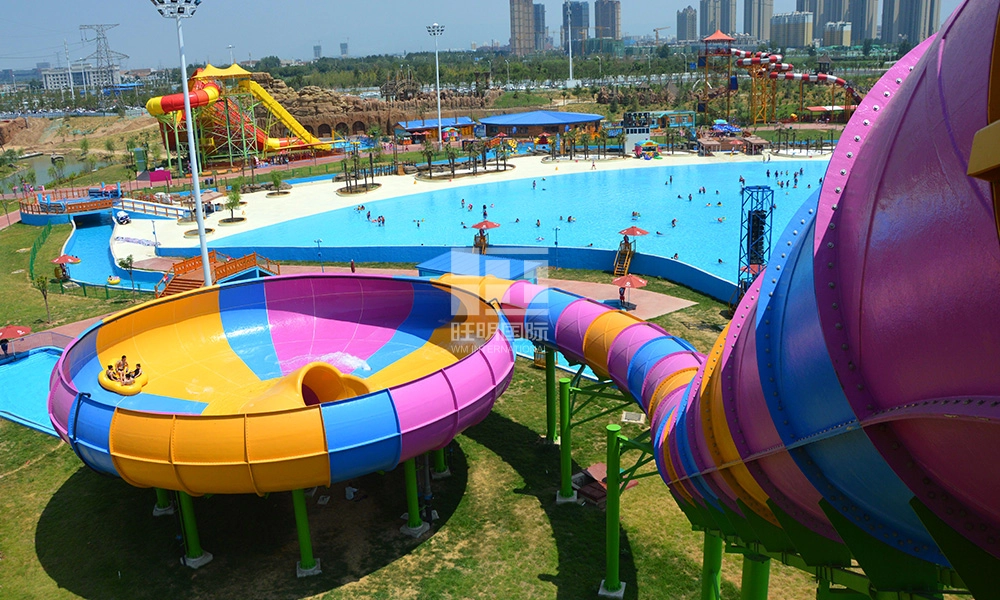
Huge Bowl Water Slide
The Huge Bowl Water Slide has achieved the “World's Best New Water Amusement Equipment” Award; it is the new favorite of the young people and the star project of the water park. The raft carries the tourists slowly entering the closed chute first; then it whirls in the bowl the moment the tourists can see the light. After a short period of time, the raft is suddenly suctioned into a huge black hole until it falls into the water. For a moment, the tourists realize the breathtaking journey has been safely brought to an end.
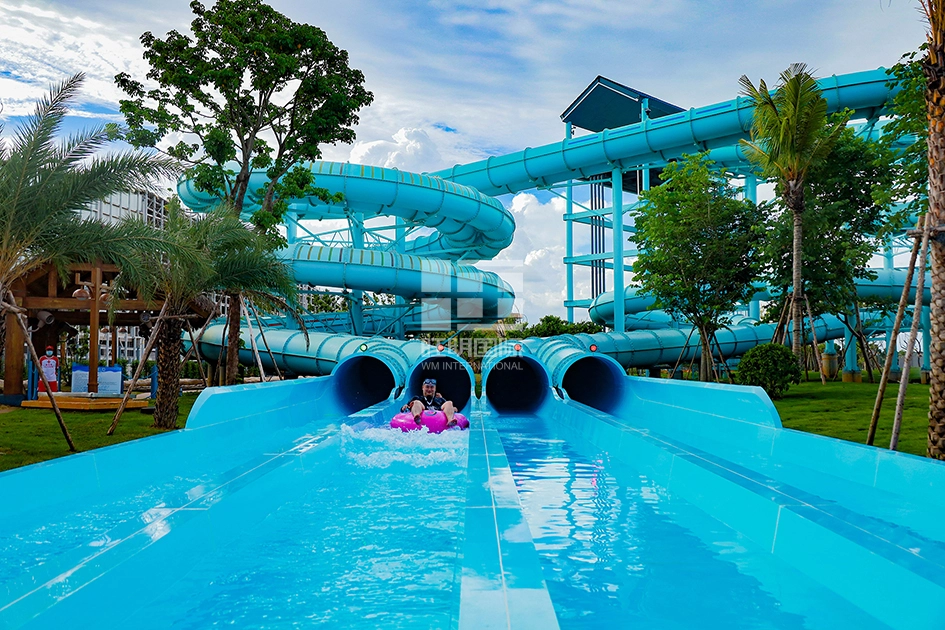
Time Tunnel Water Slide
The biggest feature of the time tunnel slide is that it uses double water slides and double tubes side by side in design and competes along the circular slide path. 8 people can play at the same time, with a large passenger capacity and high return rate, which is very suitable for team and family travel. And the slide is equipped with WangMing International's time tunnel technology, and the interior of the slide presents a beautiful aurora effect, with colorful lights, as if traveling through time and space.
Big Tourbillion Water Slide
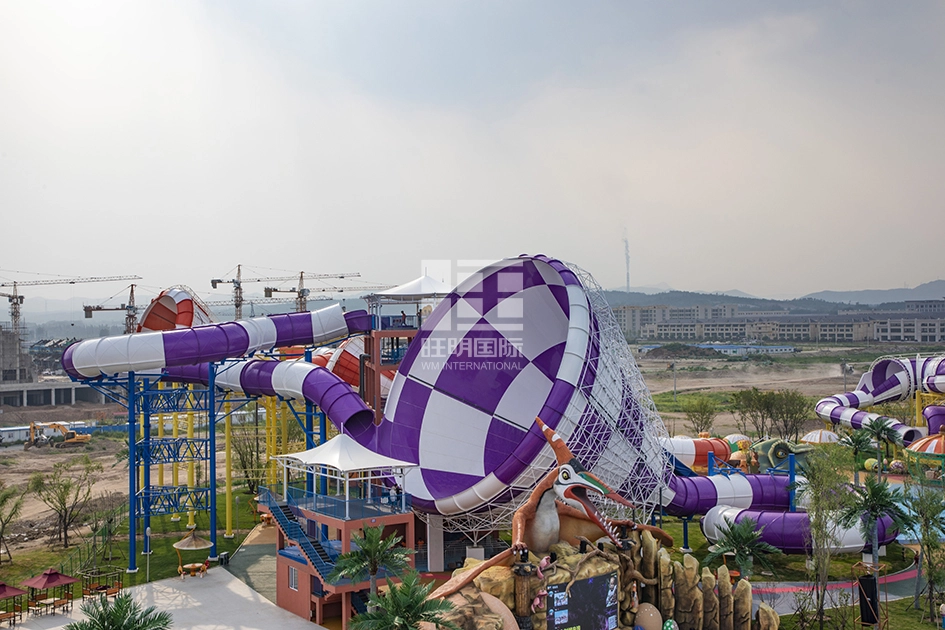
The Big Tourbillion water Slide won the "Gold Ticket Award - The Best New Project" of the international tourism industry. With unique modelling, strong irritation and humor, it is deeply loved by the young people; it has always been the popularity star of the water park. The raft carries the tourists as they enter the dark, closed chute slowly from the more than ten-meter-high platform; under the effect of gravity and water flow, it enters the state of rapid falling and then drops into the big Tourbillon; after a few times of whirling, it falls into the water pool. At this moment, the tourists are still in shock.
Get in touch
Have to get customized water park solutions and product quotes.
We will provide you with professional consultation and support.

Relying on leading technology, innovative products and rich industry experience, we tailor personalized solutions for each water park project to ensure a safe and exciting entertainment experience for tourists.
 Scan QR Code
wmwaterslide
wmwaterpark