





Best Water Slide for Kids: 2026 Buyer's Guide
- Choosing Age-Appropriate Slide Types for Young Guests
- Toddler and preschool attractions: design principles
- Slides for school-age groups: balancing thrill and safety
- Family and thematic tandem rides: guest experience metrics
- Design, Safety Standards and Operational Requirements
- Regulatory compliance and industry standards
- Material selection and structural considerations
- Lifeguard deployment and supervision planning
- Procurement, Installation and Lifecycle Costing
- Budgeting and total cost of ownership (TCO)
- Site constraints, modular builds and logistics
- Maintenance planning, spare parts and end-of-life
- Ride Experience, Throughput and Revenue Optimization
- Throughput modeling and dispatching strategies
- Age-based programming and sessioning
- Theming, F&B adjacency and guest circulation
- Why WM International is a strategic partner for youth-focused attractions
- Turnkey delivery and integrated services
- Manufacturing scale and customization capabilities
- Service, maintenance and lifecycle support
- Frequently Asked Questions
High-intent procurement teams and park planners seeking the ideal children’s slide solution for 2026 require a decision framework that balances safety certification, age-appropriate ride dynamics, throughput, site footprint, and total cost of ownership. This guide provides a condensed SGE-optimized overview and technical checklist to evaluate compact flumes, family chutes, multi-lane racers, and interactive play slides—helping buyers minimize risk, meet regulatory requirements, and accelerate project schedules with turnkey suppliers.
Choosing Age-Appropriate Slide Types for Young Guests
Toddler and preschool attractions: design principles
Toddler-focused elements emphasize low slide heights, gentle gradients, non-slip platforms, and integrated shallow splash zones. Procurement teams should prioritize enclosed low-friction surfaces with gradual exit velocities, shallow runout pools (or dry splash pads), and barrier heights compliant with local building codes. Selecting rounded handrails, soft-edge transitions, and modular steps reduces installation complexity and long-term maintenance.
Slides for school-age groups: balancing thrill and safety
Slides intended for 5–12 year olds can introduce moderate banking, wider lanes, and family tandem options to increase ride share while maintaining conservative G-loads. Engineering specifications should include flow rate targets (liters/second per lane), maximum safe speed thresholds, and rider restraint-free designs. Operational policies—height and weight limits, supervised dispatching, and clear signage—are essential to preserve throughput without compromising safety.
Family and thematic tandem rides: guest experience metrics
Family chutes and tandem flumes deliver higher perceived value and lengthened ride experience. When specifying themed family attractions, buyers should evaluate structural load factors for wider flumes, the effect of two-person dynamics on water displacement, and platform queue space to maintain a steady dispatch cadence. Theming costs should be budgeted separately from structural scope to allow phased rollout.
Design, Safety Standards and Operational Requirements
Regulatory compliance and industry standards
Compliance is non-negotiable. Project owners must reference recognized standards and guidance when approving designs: general ride safety and park operation advice is available from the International Association of Amusement Parks and Attractions (IAAPA), hazard reduction principles are described by the U.S. Consumer Product Safety Commission (CPSC), and technical material testing and product standards can be explored through ASTM International. Technical conformance to regional building codes and water treatment regulations (often aligned with local public health authorities) is required to open and operate legally.
Material selection and structural considerations
High-density fiberglass-reinforced polymer (FRP) with UV-stable gelcoats is the industry-preferred surface for low-maintenance ride faces. Structural supports typically use hot-dip galvanized steel or stainless steel in corrosive environments. Engineers should request material certs, fatigue test reports, and fire-retardant class ratings during the bid evaluation. Specifying modular sections simplifies shipping and on-site assembly while maintaining long-term serviceability.
Lifeguard deployment and supervision planning
Operational reliability depends on clear sightlines, dispatch controls, and adequate lifeguard stations. Designated boarding platforms, anti-slip surfaces, and queue segmentation reduce rider error. For children’s attractions, plan for a minimum lifeguard-to-ride ratio based on expected peak throughput and consult regional certification requirements for aquatic safety personnel.
Procurement, Installation and Lifecycle Costing
Budgeting and total cost of ownership (TCO)
Beyond initial capital for fabrication and installation, buyers must quantify recurring costs: water treatment energy, staff, scheduled recoating, spare modules, and seasonal storage. TCO models should forecast costs across a 10–15 year lifecycle and include conservative estimates for consumables and refurbishment. Warranty scope and SLA response times materially affect lifecycle budgeting and should be weighted heavily during vendor selection.
Site constraints, modular builds and logistics
Urban or rooftop parks require modular slide components with reduced crane time. Evaluate shipping volume (cubic meters) and on-site assembly man-hours when comparing quotes. Modular designs speed commissioning and allow phased park openings, but ensure that joint integrity and watertightness have been independently validated in factory acceptance tests.
Maintenance planning, spare parts and end-of-life
Specify a preventive maintenance plan during contract negotiation that includes scheduled inspections, gelcoat touch-ups, and structural audits. Confirm access to spare parts and lead times for replacement components. Contracts should define end-of-life options, recyclability of composite materials, and refurbishment pathways to prolong asset life and reduce lifecycle expenses.
Ride Experience, Throughput and Revenue Optimization
Throughput modeling and dispatching strategies
Throughput influences revenue-per-square-meter for small family attractions. Use rider-per-hour (RPH) simulations to match slide type to anticipated attendance profiles: multi-lane racers and conveyor-assist family slides return higher peak RPH, while single-lane themed chutes provide higher per-ride perceived value but lower throughput. Queue-line entertainment and pre-ride orientation reduce dispatch delays.
Age-based programming and sessioning
Staggered programming—morning toddler sessions, midday school-age slots, and family evenings—can maximize utilization while controlling safety risk. Scheduling software and timed-ticket integrations improve predictability for staffing and enhance guest satisfaction metrics.
Theming, F&B adjacency and guest circulation
Theming increases dwell time and secondary spend. Positioning play slides near food and retail clusters can increase ancillary revenue, but maintain safe pedestrian circulation with barriered walkways and wet-foot traffic management to minimize slip hazards.
| Slide Type | Recommended Age Range | Typical Throughput (riders/hr) | Approx. Footprint (m²) | Typical Cost Range (USD) |
|---|---|---|---|---|
| Low-height toddler chute | 1–4 years | 200–400 | 15–30 | 5,000–25,000 |
| Multi-lane racer (compact) | 5–12 years | 600–1,200 | 40–90 | 50,000–150,000 |
| Family tandem chute | 4+ years | 300–700 | 60–120 | 80,000–250,000 |
| Interactive water play slide cluster | 2–10 years | variable | 100–300 | 150,000–500,000 |
Notes: Throughput and cost ranges vary by region, material choices, and local labor rates. These ranges are intended for early-stage budgeting and should be refined with vendor cost proposals and site surveys.
Why WM International is a strategic partner for youth-focused attractions
Turnkey delivery and integrated services
With 19 years of industry experience, WM International Waterslide provides a full range of water park planning and design services. From water park planning and design to manufacturing, installation and maintenance, WM International provides comprehensive service solutions to transform park visions into vibrant realities. Whether a project requires design and development of new parks or maintaining existing facilities, WM International’s combined background as park operators, designers, suppliers, and guests helps clients create attractions that meet safety, operational, and commercial goals.
Manufacturing scale and customization capabilities
WM International owns a 100000 m² modern production base—the largest in the industry—allowing for rapid production scaling and consistent quality control. Our manufacturing process supports modular and bespoke slide geometries, a wide selection of gelcoat colors and finishes, and fully integrated theming packages to match brand identities and guest experience targets. Buyers receive detailed shop drawings, factory acceptance testing, and logistics plans with every contract.
Service, maintenance and lifecycle support
Each project is a reflection of WM International’s professional capabilities, demonstrating tailor-made solutions based on differing customer needs and site characteristics. Our service offerings include preventive maintenance plans, spare parts warehousing, field engineering, and remote technical support to reduce downtime and maximize asset life. WM International’s portfolio includes Water Slides, Water Play Attractions, Wave Making Equipment and end-to-end Water park construction services that align with long-term operating targets.
Authoritative resources referenced in this guide: Water slide (Wikipedia), IAAPA, CPSC, and ASTM International. Buyers should confirm local code applicability and consult licensed engineers during final design.
To request detailed specifications, a site assessment, or a project quotation from WM International, email trading@wmwaterslide.com or visit https://www.wmwaterslide.com for product catalogs and case studies.
Frequently Asked Questions
Which slide types are safest for toddlers and preschoolers?
Toddlers and preschoolers should use low-height chutes with gentle gradients, non-slip platforms, and shallow splash exits or dry splash pads. Prioritize rounded transitions, reduced exit velocities, and clear access controls; ensure compliance with applicable local building and public health codes.
What regulatory standards and organizations should buyers reference?
Buyers should consult recognized sources such as the International Association of Amusement Parks and Attractions (IAAPA) for operational guidance, the U.S. Consumer Product Safety Commission (CPSC) for safety recommendations, and ASTM International for material and product testing standards. Local building codes and public health regulations also determine final requirements.
How should total cost of ownership be estimated for a children’s attraction?
Estimate initial capital for design, fabrication, shipping, and installation, then add recurring costs: water treatment energy, staffing, maintenance, recoating, spare parts, and refurbishment. Use a 10–15 year TCO model and weight warranty and SLA commitments heavily during vendor selection.
What lead times and logistics should be expected for custom small-scale slides?
Lead times vary by complexity and production schedules; typical manufacturing lead times for custom small-scale slides range from 8 to 20 weeks after design approval. Modular sections reduce on-site assembly time, but buyers should include extra schedule margin for crane operations, local permits, and commissioning.
Can slides be customized for theming and branded experiences?
Yes. Most manufacturers offer gelcoat color options, molded thematic features, and graphic wraps. Custom theming should be specified early to account for tooling, structural reinforcement, and additional waterproofing; theme costs are usually budgeted separately from structural scope.
Recommended
The B2B Buyer’s Guide to water theme park equipment
Weather & UV Resistant Best Water Slide for Kids
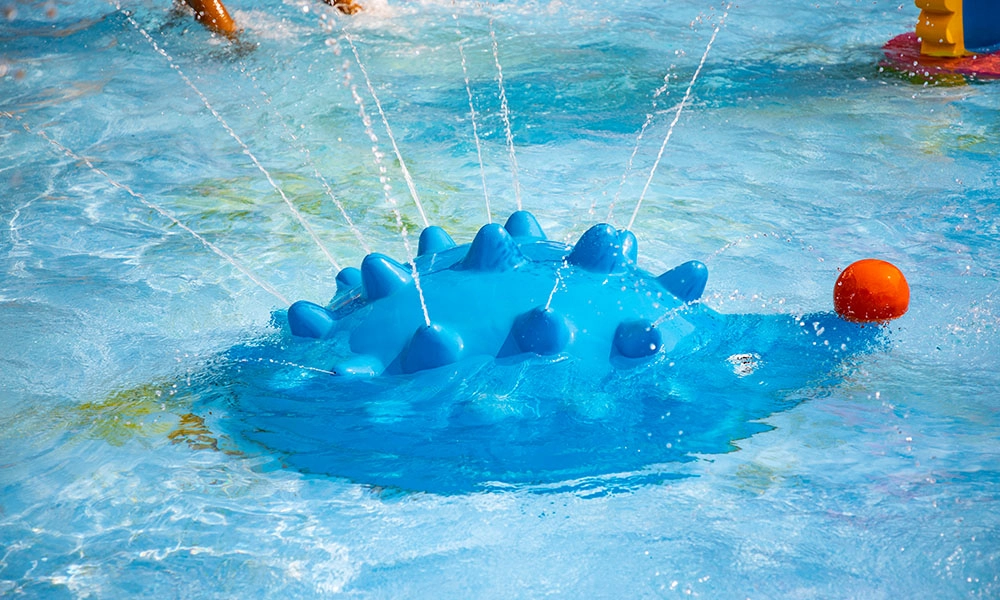
Water Spraying Hedgehog — Interactive Splash Play Feature to Boost Park Engagement
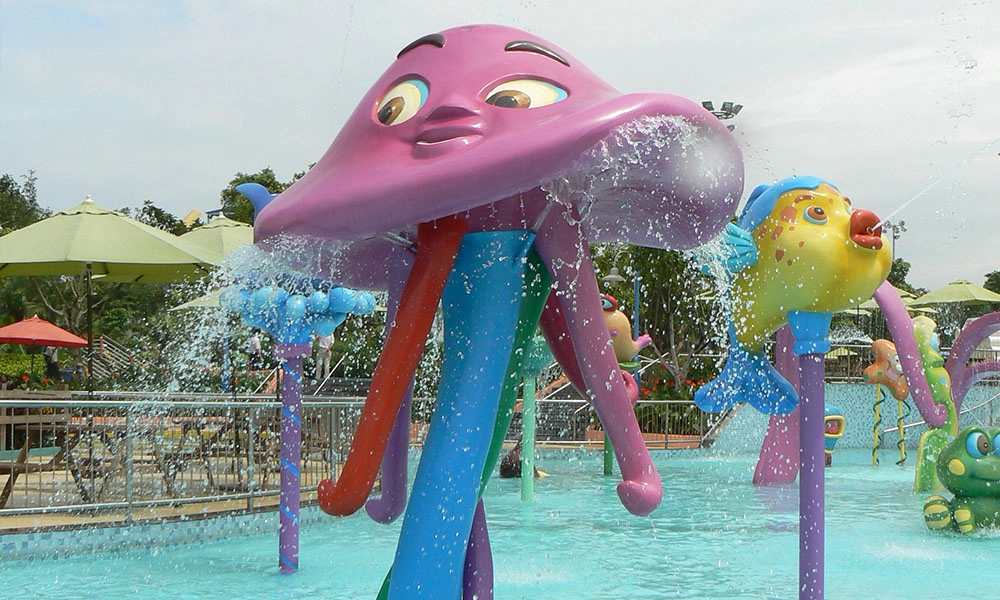
Water Spraying Jellyfish — Interactive Splash Feature for Modern Water Parks
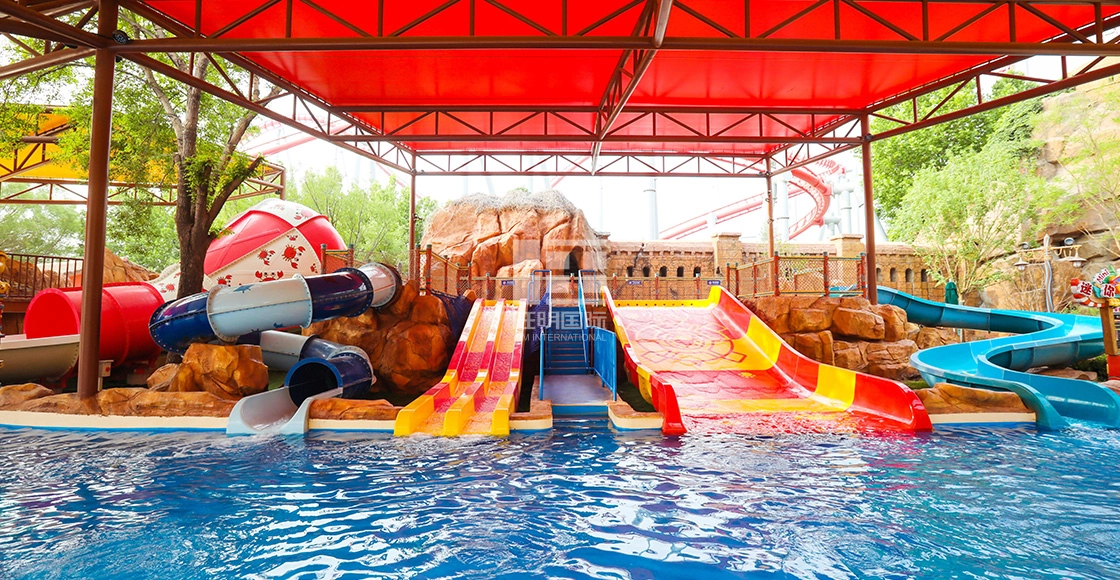
Children Combined Water Slide
Discover endless fun with the Children Combined Water Slide by WM INTERNATIONAL, expertly crafted for thrill-seeking kids. Perfect for summer splashes, this durable slide promises safety and joy. Looking to elevate your play area? Explore our Children's Combined Slide for sale now!
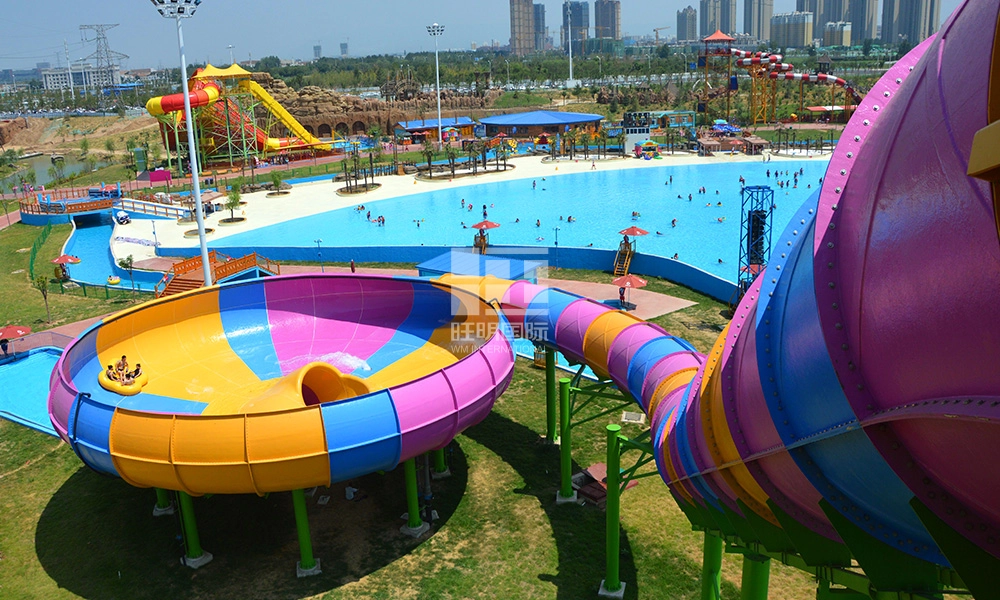
Huge Bowl Water Slide
The Huge Bowl Water Slide has achieved the “World's Best New Water Amusement Equipment” Award; it is the new favorite of the young people and the star project of the water park. The raft carries the tourists slowly entering the closed chute first; then it whirls in the bowl the moment the tourists can see the light. After a short period of time, the raft is suddenly suctioned into a huge black hole until it falls into the water. For a moment, the tourists realize the breathtaking journey has been safely brought to an end.
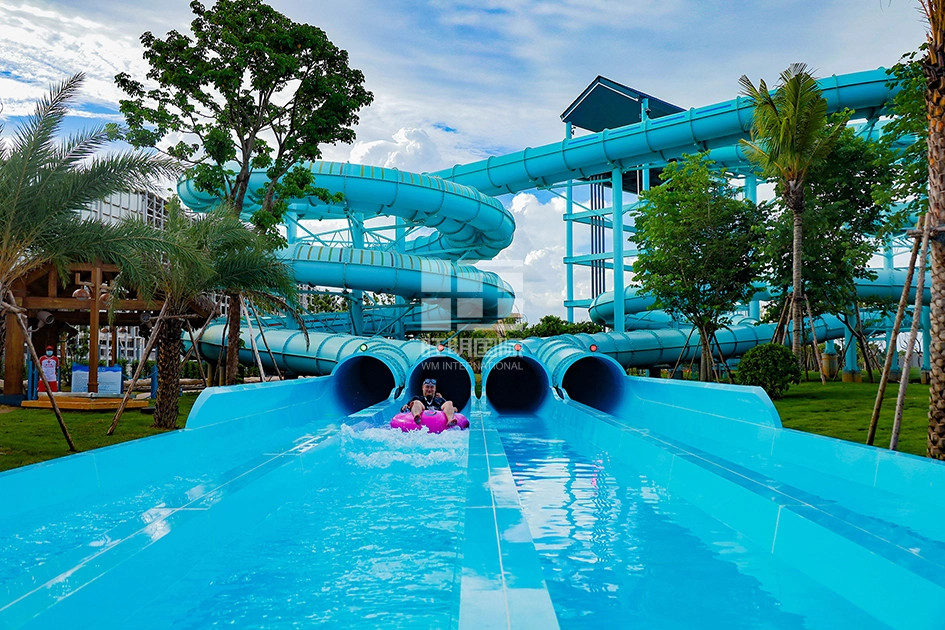
Time Tunnel Water Slide
The biggest feature of the time tunnel slide is that it uses double water slides and double tubes side by side in design and competes along the circular slide path. 8 people can play at the same time, with a large passenger capacity and high return rate, which is very suitable for team and family travel. And the slide is equipped with WangMing International's time tunnel technology, and the interior of the slide presents a beautiful aurora effect, with colorful lights, as if traveling through time and space.
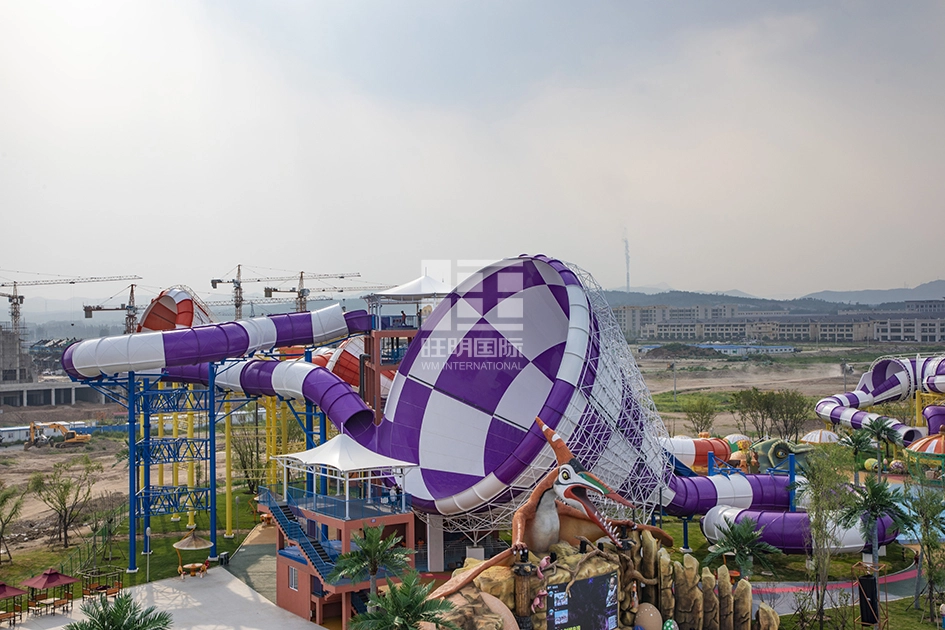
Big Tourbillion Water Slide
The Big Tourbillion water Slide won the "Gold Ticket Award - The Best New Project" of the international tourism industry. With unique modelling, strong irritation and humor, it is deeply loved by the young people; it has always been the popularity star of the water park. The raft carries the tourists as they enter the dark, closed chute slowly from the more than ten-meter-high platform; under the effect of gravity and water flow, it enters the state of rapid falling and then drops into the big Tourbillon; after a few times of whirling, it falls into the water pool. At this moment, the tourists are still in shock.
Get in touch
Have to get customized water park solutions and product quotes.
We will provide you with professional consultation and support.

Relying on leading technology, innovative products and rich industry experience, we tailor personalized solutions for each water park project to ensure a safe and exciting entertainment experience for tourists.
 Scan QR Code
wmwaterslide
wmwaterpark