






Space & Site Requirements for Abyss & Flying Carpet Slides
- Site Selection & Layout Essentials
- Choosing the right plot: orientation, access, and buffers
- Topography, soil, and geotechnical considerations
- Structural & Foundation Requirements
- Tower and support structure — loads and materials
- Foundations, anchorage, and vibration control
- Ride Footprint, Pool, and Water Management
- Footprint and vertical clearance
- Hydraulics, filtration, and pump sizing
- Operations, Safety Zones, and Compliance
- Guest flow, capacity planning, and queuing
- Safety zones, sightlines, and lifeguard placement
- Regulatory compliance and testing
- Product Spotlight: Abyss & Flying Carpet Water Slide
- Experience and ride mechanics
- Typical operational parameters
- Why select this model when reviewing water park slides for sale?
- Installation Checklist & Timeline
- Pre-installation deliverables
- Typical timeline
- Cost Considerations & Lifecycle Planning
- Initial capital and soft costs
- Maintenance and operating cost drivers
- References & Standards
- FAQ
- What is the minimum plot size needed for Abyss & Flying Carpet?
- Do I need a special foundation for coastal sites?
- How many lifeguards are required to operate this ride safely?
- Can this ride be retrofitted into an existing park area?
- What is the expected maintenance cycle for slide surfaces?
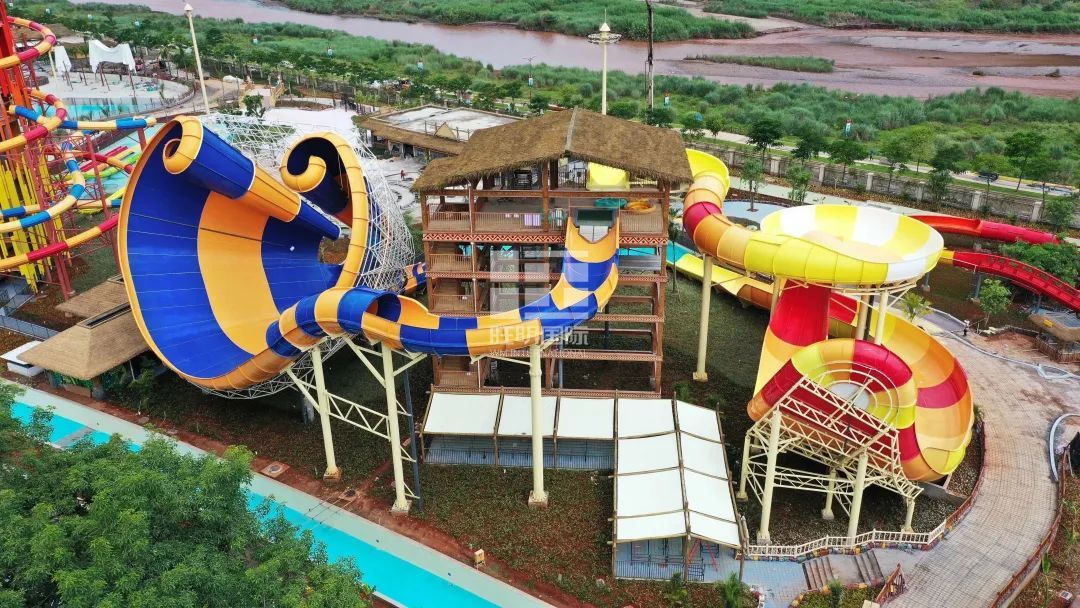
This guide provides an -friendly, site-aware overview of the space and site requirements for the Abyss & Flying Carpet water slide family, helping operators consider local climate, elevation, prevailing winds, seismic class, soil type, and access constraints when evaluating water park slides for sale. Use these indicators to match product footprints, foundation specifications, and service access to on-site conditions and to accelerate permitting and installation in your city, region, or resort.
Site Selection & Layout Essentials
Choosing the right plot: orientation, access, and buffers
When selecting or preparing a site for the Abyss & Flying Carpet Water Slide, prioritize orientation, guest access, and buffer zones. Position the slide so the tower and queue face convenient guest circulation paths and shade structures when possible. Consider proximity to parking, locker facilities, first aid, and food concessions — these adjacency relationships reduce transit times and improve throughput, especially for high-capacity slides advertised in water park slides for sale catalogs.
Buffer zones are critical. Provide at least 3–5 m (10–16 ft) of clear perimeter around structural footings and emergency egress routes, and ensure no foliage or hardscape obstructs evacuation. Local planning departments may require additional setbacks.
Topography, soil, and geotechnical considerations
Site elevation and soil conditions determine foundation type and cost. A geotechnical survey should identify bearing capacity, groundwater level, and frost depth. On expansive clay or loose fill, deep foundations or piling may be necessary; on competent rock or well-compacted granular soils, slab-on-grade or isolated footings are common and cost-effective.
Design teams must address drainage and erosion control at the outset. Slides like the Flying Carpet generate localized splash and runoff; plan stormwater management to avoid undermining foundations or pooling at exits.
Structural & Foundation Requirements
Tower and support structure — loads and materials
The tower supporting Abyss & Flying Carpet rides must resist vertical loads (live and dead), lateral wind loads, and dynamic loads from rider movement and raft impacts. Typical materials are hot-dip galvanized steel or stainless steel for coastal sites. For coastal parks, specify corrosion-resistant finishes and sacrificial anodes as needed. All structural designs should follow local building codes and the guidance of amusement industry standards.
Design loads often reference standards from organizations such as the water slide engineering literature and industry bodies listed below. Make sure your structural engineer ties the ride supports into an engineered foundation that matches geotechnical recommendations.
Foundations, anchorage, and vibration control
Foundations for high-drop attractions like Abyss require reinforced concrete footings sized for uplift and overturning. Anchor bolt patterns must match the slide manufacturer’s baseplates. Include isolation pads or neoprene bearings where dynamic loads could transmit vibrations to adjacent structures.
For parks ordering water park slides for sale, request the manufacturer’s foundation drawings early. These drawings typically include anchor bolt templates, recommended concrete strength (e.g., 30 MPa/4000 psi), and rebar schedules.
Ride Footprint, Pool, and Water Management
Footprint and vertical clearance
The combined footprint for an Abyss & Flying Carpet installation consists of the support tower, ride centerline (spiral chute and bowl), acceleration run, and surge pool or catch pool. Typical footprints range as follows (site-specific variations apply):
| Component | Typical horizontal footprint | Typical vertical clearance |
|---|---|---|
| Tower & Queue | 8–20 m x 6–15 m | 20–30 m (tower height depends on ride model) |
| Spiral chute to bowl | 12–25 m diameter (bowl dependent) | Varies with bowl depth; typically 6–8 m |
| Acceleration run & hurricane wall | 10–15 m linear | 2–5 m clearance above run |
| Surge/Catch pool | 10–20 m x 6–10 m | Depth 1.0–1.4 m (varies with raft speed) |
Exact dimensions will be provided by the manufacturer for each model. If you are reviewing multiple water park slides for sale, compare manufacturer drawings to ensure your site meets the required envelope.
Hydraulics, filtration, and pump sizing
High-capacity rides require pumps that can handle rapid discharge rates and return flow from surge pools. Design criteria typically include:
- Flow rate per slide lane or raft: manufacturer-specified (often 40–150 L/s depending on size).
- Filtration turnover rate: meet or exceed local health code; many parks target a full turnover every 4–6 hours for recirculation systems serving ride pools.
- Retention and surge capacity: provide surge tanks or larger equalization basins to accommodate rapid rider inflows and splash-out.
Consult the manufacturer for precise pump curves, NPSH requirements, and recommended redundancy (typically N+1 for critical pumps).
Operations, Safety Zones, and Compliance
Guest flow, capacity planning, and queuing
Abyss & Flying Carpet slides are designed for rafted operation and high excitement. Capacity planning must consider raft turnaround times, dispatch intervals, ride cycle time, and throughput per hour. A basic planning rule: estimate dispatch every 30–60 seconds for busy operations, but use manufacturer cycle-time data for accurate projections. Proper queuing and staging areas near the tower reduce footprint congestion and improve guest experience for parks comparing water park slides for sale.
Safety zones, sightlines, and lifeguard placement
Designated safety zones shall be clearly marked, with unobstructed sightlines for lifeguards positioned at the bowl, acceleration run, and catch pool. Rescue platforms, ladders, and access routes must be integrated into the tower and pool design so staff can rapidly respond. Lifeguard stations should comply with local codes and industry guidance from associations such as the International Association of Amusement Parks and Attractions (IAAPA) and the World Waterpark Association.
Regulatory compliance and testing
Before commissioning, rides require inspections from civil/structural engineers, electrical inspections for pump and control systems, and functional testing per manufacturer protocols. Many regions expect adherence to standards published by bodies like ASTM International or relevant national amusement ride standards. Maintain documentation for load testing, non-destructive testing of welds, and commissioning reports to support permitting and insurance underwriting.
Product Spotlight: Abyss & Flying Carpet Water Slide
Experience and ride mechanics
The Flying Carpet Water Slide has a unique design, integrating the circular rotation of the huge bowl, the high-rise drop of the big skateboard and the high-position arc drop of the big tourbillion, providing a variety of sliding experiences. Visitors slide down from a high altitude on a raft, pass through the spiral chute, reach the bowl through the acceleration section, feel the sliding fun generated by the centrifugal force, and then rush to the unique hurricane wall at high speed, and finally dive down into the pool. The thrilling process makes people scream continuously, which is especially suitable for tourists who like to experience excitement and novelty.
Typical operational parameters
- Rider type: multi-passenger raft (2–6 riders).
- Minimum vertical drop: manufacturer-specific; typical models 12–20 m.
- Recommended catch pool depth: 1.0–1.4 m with anti-erosion lining.
- Recommended dispatch interval: 30–60 seconds depending on raft loading efficiency.
Why select this model when reviewing water park slides for sale?
The Abyss & Flying Carpet offers a multi-sensory attraction that blends high thrill with repeatability. Its bowl and hurricane wall sequence are strong keepers for guest satisfaction and social media appeal, making it a strategic buy for parks seeking to increase attendance and on-site dwell time. When comparing water park slides for sale, include lifecycle maintenance costs, finish options (for UV and chlorine exposure), and spare-part availability in your procurement evaluation.
Installation Checklist & Timeline
Pre-installation deliverables
Before delivery, secure the following items from the manufacturer and consultants:
- Shop drawings and foundation templates
- Structural calculations and wind/seismic load reports
- Hydraulic requirements and pump schedules
- Electrical one-line diagrams and control schematics
- Maintenance manual and spare parts list
Typical timeline
Installation timelines vary by site complexity but a typical schedule is:
- Geotech & foundation construction: 3–6 weeks
- Structural steel erection & slide assembly: 4–8 weeks
- Hydraulic installation & commissioning: 2–4 weeks
- Testing & final inspections: 1–2 weeks
Plan for seasonal constraints (freeze/thaw, monsoon) in your construction schedule.
Cost Considerations & Lifecycle Planning
Initial capital and soft costs
Budgeting should include the slide purchase, shipping, foundations, structural steel, pumps, filtration, electrical work, and landscaping/queue infrastructure. Soft costs include permits, engineering fees, and commissioning. When reviewing water park slides for sale, request a full turnkey estimate from vendors that details these line items.
Maintenance and operating cost drivers
Major operating cost components are energy for pumps and heating (if applicable), water treatment chemicals, periodic replacement of wear surfaces (slide lining), and seasonal inspections. Implement a preventive maintenance program modeled on manufacturer guidance to reduce unplanned downtime.
References & Standards
For further guidance consult industry and standards organizations: Water slide (Wikipedia) for general technical context; IAAPA and World Waterpark Association for operational best practices; and ASTM International for referenced test standards and material specifications.
FAQ
What is the minimum plot size needed for Abyss & Flying Carpet?
Minimum usable plot size depends on the model. As a practical planning guideline, allocate at least 600–800 m2 (6,500–8,600 ft2) including tower, bowl, acceleration run, catch pool, queue, and service access. Confirm with the manufacturer for exact model envelopes when comparing water park slides for sale.
Do I need a special foundation for coastal sites?
Yes. Coastal sites require corrosion-resistant materials and often deeper or pile foundations due to near-surface fill and higher groundwater. Include cathodic protection and specify marine-grade fasteners where required.
How many lifeguards are required to operate this ride safely?
Lifeguard staffing should follow local code and industry guidance. Typically, at least one dedicated lifeguard is positioned at the bowl/catch pool and one at the tower or unloading area. Higher capacity parks may need additional attendants to supervise queues and dispatch.
Can this ride be retrofitted into an existing park area?
Often yes, with careful planning for foundations, load-bearing capacity, and guest circulation. Retrofit projects require a full site survey and may entail relocating utilities or modifying existing pools to create the catch basin.
What is the expected maintenance cycle for slide surfaces?
Slide liners and gelcoats typically require inspection annually and localized repair every 2–5 years depending on usage, chemical exposure, and UV levels. Replace or recoat surfaces per manufacturer recommendations to preserve ride dynamics and safety.
If you are evaluating vendors or have specific site coordinates and plans, our technical sales team can produce a site-specific envelope and foundation template for the Abyss & Flying Carpet Water Slide. Contact us to view product drawings, request a quote, or schedule a site consultation: Contact Sales / View Product.
Note: For regulatory and best-practice guidance consult IAAPA (https://www.iaapa.org/), World Waterpark Association (https://www.waterparks.org/), ASTM International (https://www.astm.org/), and technical summaries such as the Water Slide overview.
Recommended
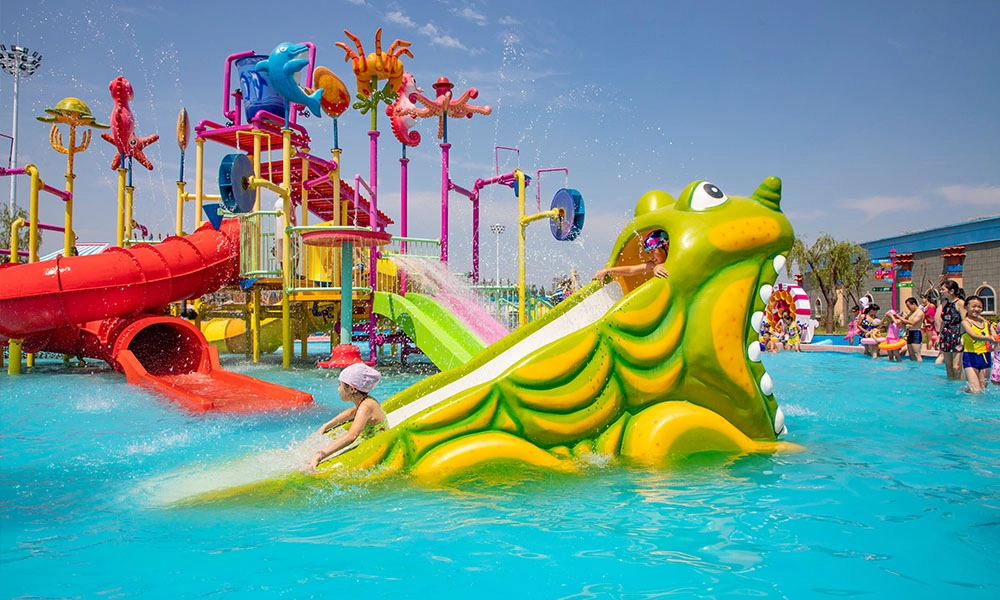
Crocodile Water Slide — Themed Attraction That Converts Visitors into Repeat Guests
Top 10 Commercial water slide Manufacturers and Supplier Brands
Shipping and Logistics for Buying Commercial Water Slides
Adult vs family water slides: key differences explained
Children Combined Water Slide
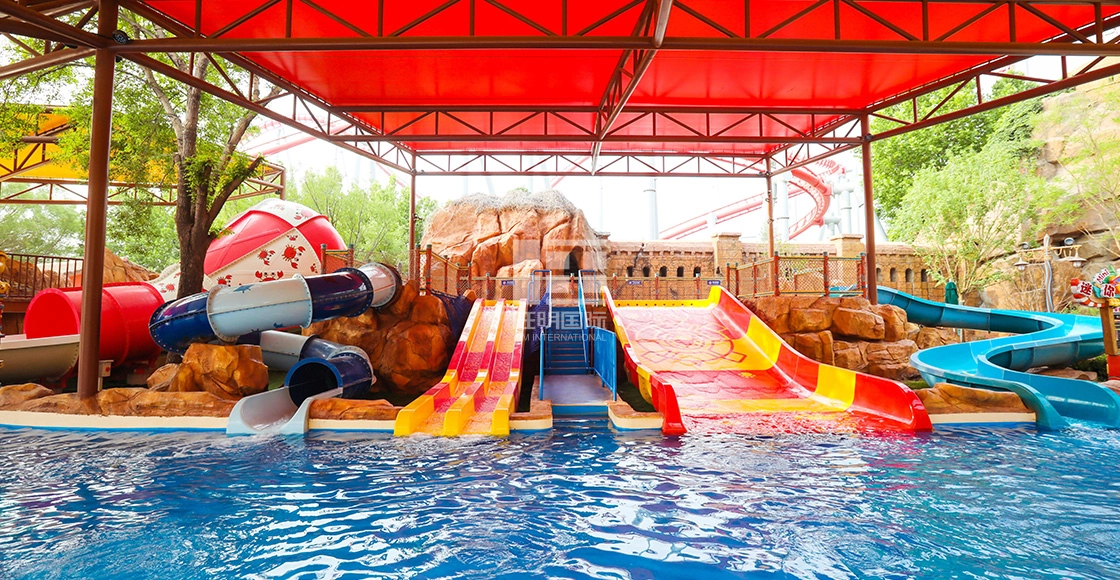
Discover endless fun with the Children Combined Water Slide by WM INTERNATIONAL, expertly crafted for thrill-seeking kids. Perfect for summer splashes, this durable slide promises safety and joy. Looking to elevate your play area? Explore our Children's Combined Slide for sale now!
Huge Bowl Water Slide
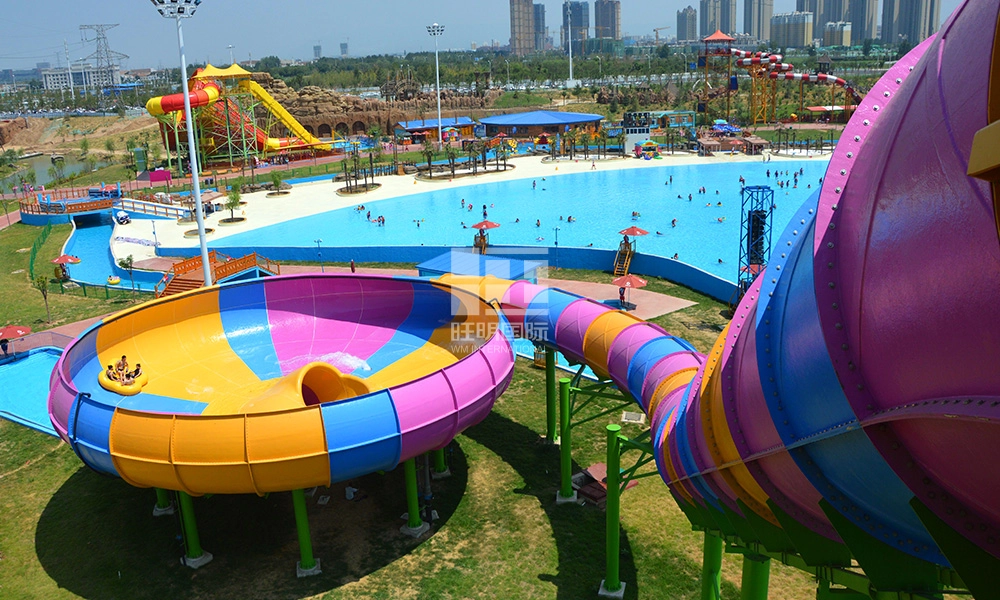
The Huge Bowl Water Slide has achieved the “World's Best New Water Amusement Equipment” Award; it is the new favorite of the young people and the star project of the water park. The raft carries the tourists slowly entering the closed chute first; then it whirls in the bowl the moment the tourists can see the light. After a short period of time, the raft is suddenly suctioned into a huge black hole until it falls into the water. For a moment, the tourists realize the breathtaking journey has been safely brought to an end.
Time Tunnel Water Slide
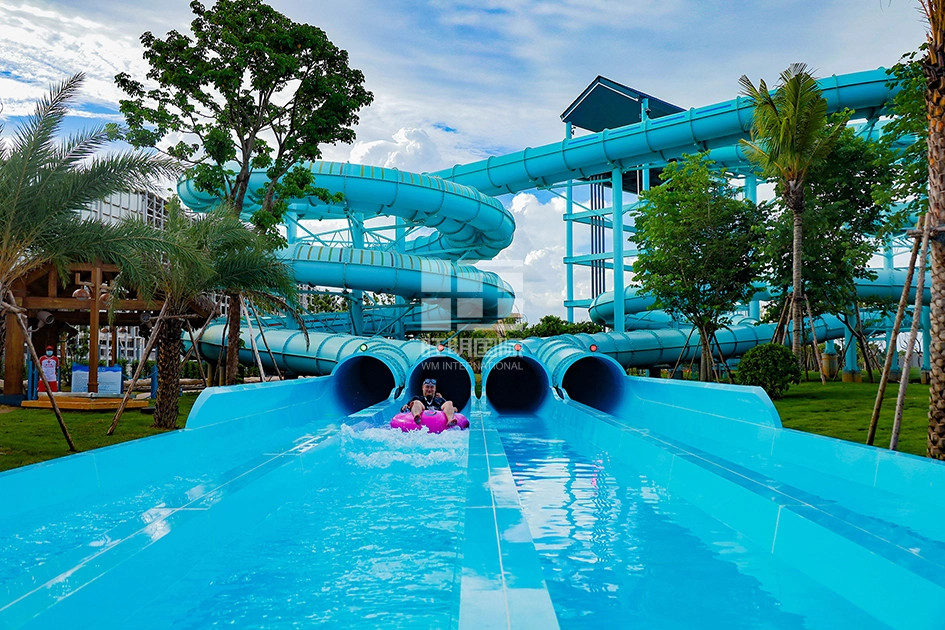
The biggest feature of the time tunnel slide is that it uses double water slides and double tubes side by side in design and competes along the circular slide path. 8 people can play at the same time, with a large passenger capacity and high return rate, which is very suitable for team and family travel. And the slide is equipped with WangMing International's time tunnel technology, and the interior of the slide presents a beautiful aurora effect, with colorful lights, as if traveling through time and space.
Big Tourbillion Water Slide
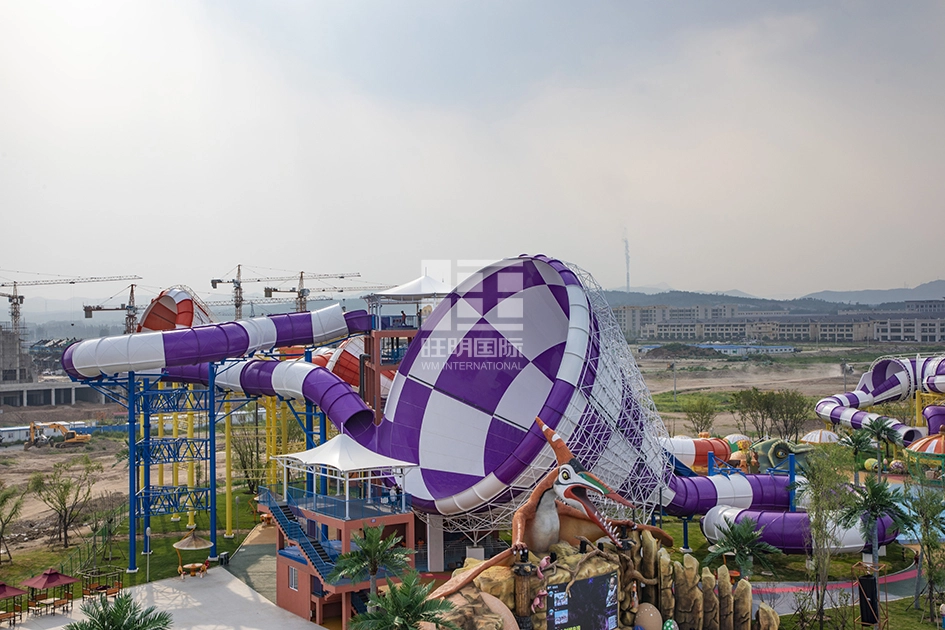
The Big Tourbillion water Slide won the "Gold Ticket Award - The Best New Project" of the international tourism industry. With unique modelling, strong irritation and humor, it is deeply loved by the young people; it has always been the popularity star of the water park. The raft carries the tourists as they enter the dark, closed chute slowly from the more than ten-meter-high platform; under the effect of gravity and water flow, it enters the state of rapid falling and then drops into the big Tourbillon; after a few times of whirling, it falls into the water pool. At this moment, the tourists are still in shock.
Get in touch
Have to get customized water park solutions and product quotes.
We will provide you with professional consultation and support.

Relying on leading technology, innovative products and rich industry experience, we tailor personalized solutions for each water park project to ensure a safe and exciting entertainment experience for tourists.
 Scan QR Code
wmwaterslide
wmwaterpark