






Price Breakdown: Abyss & Flying Carpet Water Slide Costs
- Overview and Value Proposition
- What makes the Abyss & Flying Carpet unique?
- Why it matters for procurement
- Detailed Cost Breakdown
- Equipment purchase price
- Site work, foundations and civil costs
- Installation & commissioning
- Operational and Lifecycle Costs
- Maintenance, spare parts and staffing
- Utilities and chemical usage
- Insurance and compliance
- Design, Safety and Regulatory Considerations
- Standards and best practices
- Accessibility and ADA considerations
- Risk management and guest throughput
- Comparative Cost Table: Abyss & Flying Carpet vs. Typical Alternatives
- Installation Timeline and Procurement Checklist
- Typical project timeline
- Purchasing checklist for water park slides for sale
- Financing and ROI considerations
- Product Description — Abyss & Flying Carpet Water Slide
- References and Guidance
- Frequently Asked Questions (FAQ)
- 1. How much does an Abyss & Flying Carpet water slide cost to buy and install?
- 2. What is the typical lead time when ordering water park slides for sale?
- 3. What ongoing costs should I budget after installation?
- 4. Are there safety standards I must follow?
- 5. Can the ride be customized for theming and capacity?
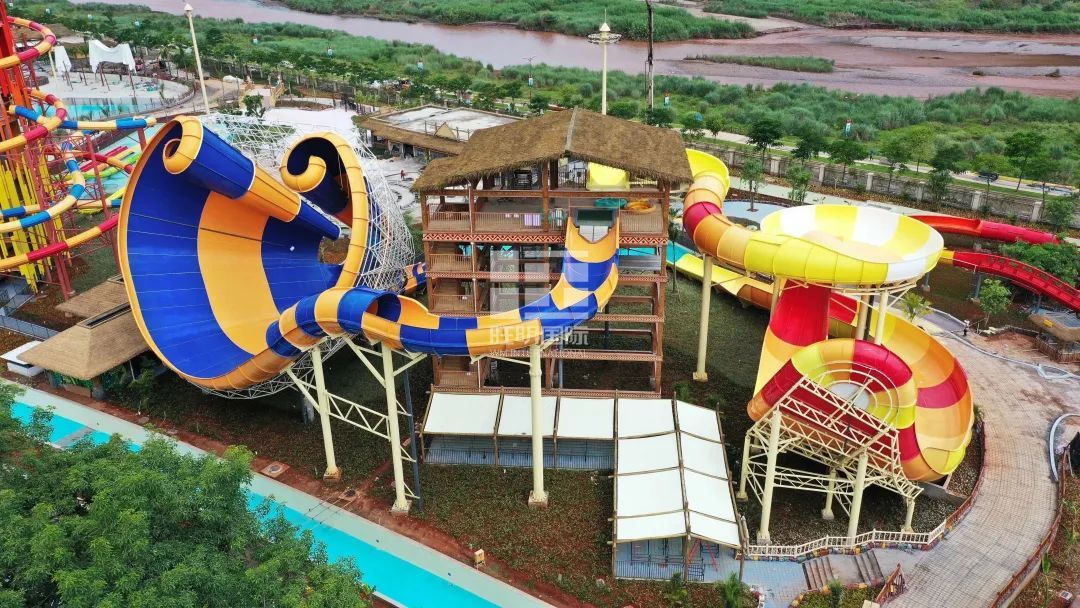
Planning to add a headline attraction that drives attendance, revenue, and media buzz? This detailed cost and specification guide for the Abyss & Flying Carpet water slide helps water park operators, resort developers, and buyers evaluate the true purchase and lifecycle costs when considering water park slides for sale. We cover equipment pricing, civil works, installation, compliance, ongoing maintenance and safety considerations to support accurate budgeting and ROI analysis.
Overview and Value Proposition
What makes the Abyss & Flying Carpet unique?
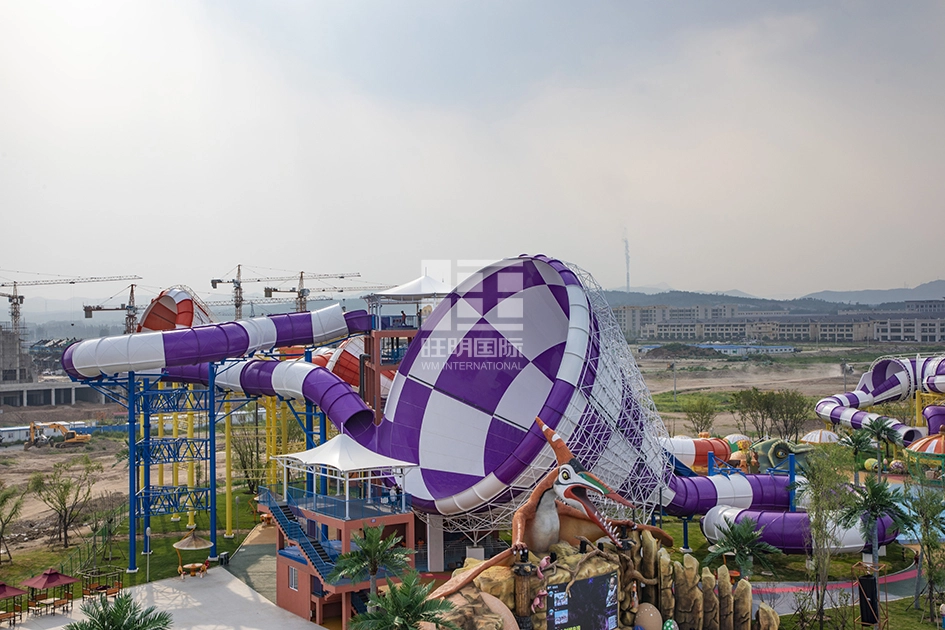
The Abyss & Flying Carpet Water Slide combines several ride elements—spiral chutes, a large acceleration section that feeds into a giant bowl, a flying-carpet style high-rise drop, and a hurricane wall—into one continuous ride experience. Riders launch on a raft from a high platform, traverse a spiral chute, experience centrifugal sliding inside the bowl, rush along a high-speed wall and finish with a plunge into the pool. This blended layout appeals strongly to thrill-seekers and family groups, increasing per-visitor spend and repeat visits.
Why it matters for procurement
When evaluating water park slides for sale, the Abyss & Flying Carpet represents a mid- to high-end capital investment with strong marketing and capacity advantages. Its mixed-ride elements can replace multiple smaller attractions, optimizing footprint and operational staffing while delivering a headline-generating experience.
Detailed Cost Breakdown
Equipment purchase price
Base equipment cost for an integrated dual-feature attraction like the Abyss & Flying Carpet typically falls in the following range:
| Component | Typical Price Range (USD) | Notes |
|---|---|---|
| Slide system (fiberglass sections, supports, rafts) | $150,000 – $450,000 | Depends on length, diameter, materials, and manufacturer customization |
| Control systems & pumps | $20,000 – $80,000 | Includes electrical panels, variable-speed pumps, and filtration tie-ins |
| Platform, stairs & safety railings | $30,000 – $120,000 | Based on height, steel vs. composite, and accessibility features |
| Rafts and guest restraints (initial set) | $5,000 – $25,000 | Quantity based on throughput requirements |
These base numbers assume commercial-grade materials and compliance with recognized safety practices. When shopping for water park slides for sale, obtain detailed quotes that itemize materials, warranties, and lead times.
Site work, foundations and civil costs
Site preparation typically represents 20–40% of the total project budget, especially for complex attractions:
- Excavation & concrete foundations: $30,000 – $150,000 (soil type and seismic requirements affect cost)
- Drainage, pool and splashdown construction: $50,000 – $250,000
- Utility upgrades (power, water supply, chemical systems): $20,000 – $100,000
Factors such as remote location, difficult access, high water table or need for retaining walls can push civil costs higher. For a full-park integration, plan for allowances for landscaping, queuing areas and shade structures.
Installation & commissioning
Installation normally includes on-site assembly by manufacturer-certified crews, alignment, structural bolting, non-destructive testing, and full ride commissioning:
- Manufacturer installation & travel: $40,000 – $150,000
- Third-party inspection & certification: $5,000 – $25,000
- Start-up training & documentation: $3,000 – $15,000
Operational and Lifecycle Costs
Maintenance, spare parts and staffing
Ongoing costs include preventive maintenance, periodic refurbishing and staff training. Typical annual operational costs range from 3% to 7% of the initial equipment cost, broken down as:
- Routine inspection & cleaning: $5,000 – $20,000/year
- Spare parts pool (seals, bolts, bearings): $2,000 – $10,000/year
- Major refurbishment (every 7–12 years): 15–25% of base equipment cost
Staffing costs also depend on throughput and safety coverage—expect at least 2–4 trained lifeguards per operating shift for large multi-rider raft attractions.
Utilities and chemical usage
High-flow attractions increase pump load and chemical turnover. Annual utility costs are site dependent but estimate:
- Electricity for pumps: $8,000 – $40,000/year
- Water replenishment & chemical treatment: $3,000 – $15,000/year
Insurance and compliance
Insurance High Qualitys for major attractions are influenced by local regulations and historical incident rates. Annual cover often adds 1–3% of asset value. Ensure compliance with local building codes, pool codes and standards such as guidance from industry bodies including the World Waterpark Association and IAAPA (International Association of Amusement Parks and Attractions) which provide safety resources and training recommendations.
Design, Safety and Regulatory Considerations
Standards and best practices
Design and operation should align with established standards. References worth consulting include the general fiberglass/water attraction overviews on Wikipedia (Water slide) for contextual background and industry safety materials from associations like WWA and IAAPA. For technical standards and testing procedures, organizations such as ASTM International publish applicable standards used by manufacturers and inspectors.
Accessibility and ADA considerations
When adding the Abyss & Flying Carpet, consider ADA and local accessibility requirements for queueing, transfer systems and companion seating where possible. Accessibility planning increases inclusivity and reduces legal risk.
Risk management and guest throughput
Design for target hourly throughput—typically 400–900 riders per hour depending on raft size and dispatch interval. Higher throughput reduces queue dwell time and can improve per-guest revenue. Simultaneously, implement operational safety protocols and signage to minimize rider misuse and reduce incident rates.
Comparative Cost Table: Abyss & Flying Carpet vs. Typical Alternatives
| Attraction Type | Typical Equipment Cost | Installation + Site Work | Annual Opex |
|---|---|---|---|
| Abyss & Flying Carpet (hybrid bowl + flying carpet) | $150k–$450k | $100k–$400k | $20k–$60k |
| Single large bowl slide | $120k–$320k | $80k–$300k | $15k–$45k |
| Traditional speed slide | $60k–$200k | $50k–$150k | $10k–$30k |
| Multi-lane racer | $80k–$250k | $60k–$200k | $12k–$35k |
Installation Timeline and Procurement Checklist
Typical project timeline
From initial order to public opening, a realistic timeline is:
- Design & quote: 4–8 weeks
- Manufacturing & shipping: 12–24 weeks (seasonal backlog can extend lead times)
- Site work & foundations: 4–12 weeks (parallel with manufacturing when possible)
- Installation & commissioning: 2–6 weeks
- Total typical duration: 5–9 months
Purchasing checklist for water park slides for sale
- Detailed manufacturer quote with partized costs and warranty terms
- Drawings and certified structural calculations for local permitting
- Reference installations and contactable operator references
- Clear scope for site works: foundations, pool interfaces, utilities
- Maintenance manual, spare parts list and training schedule
- Third-party inspection & acceptance criteria
Financing and ROI considerations
Financing is commonly structured as equipment loans or lease-to-own. Estimate increased attendance and per-capita spend to calculate payback: a headline slide that increases annual attendance by 5–15% can often justify the investment within 3–7 years depending on ticket pricing and ancillary revenue (F&B, merchandise, cabana rentals).
Product Description — Abyss & Flying Carpet Water Slide
The flying carpet water slide has a unique design, integrating the circular rotation of the huge bowl, the high-rise drop of the big skateboard and the high-position arc drop of the big tourbillion, providing a variety of sliding experiences. Visitors slide down from a high altitude on a raft, pass through the spiral chute, reach the bowl through the acceleration section, feel the sliding fun generated by the centrifugal force, and then rush to the unique hurricane wall at high speed, and finally dive down into the pool. The thrilling process makes people scream continuously, which is especially suitable for tourists who like to experience excitement and novelty.
Manufacturer specifications vary—typical features include modular fiberglass sections for easy shipping, stainless-steel or galvanized structure, UV- and chlorine-resistant gelcoat, customizable theming and lighting packages, and optional water effects. When requesting quotes for water park slides for sale, confirm raft capacity, required dispatch interval, and required pool depth for safe splashdown.
References and Guidance
For further reading and industry guidance, consult these authoritative sources:
- Water slide overview and history — Wikipedia
- Industry association resources and training — World Waterpark Association
- Operator best practices and events — IAAPA
- Standards body for material and testing references — ASTM International
Frequently Asked Questions (FAQ)
1. How much does an Abyss & Flying Carpet water slide cost to buy and install?
Expect a combined budget (equipment + installation + site work) between approximately $300,000 and $900,000 depending on scope, site conditions and regional labor costs. Smaller or simplified configurations may cost less; High Quality themed or integrated systems with lighting and show effects will be at the higher end.
2. What is the typical lead time when ordering water park slides for sale?
From order to installation, typical lead times are 5–9 months. Manufacturing windows, shipping schedules, seasonal demand and permitting can affect timelines.
3. What ongoing costs should I budget after installation?
Annual operational costs (maintenance, utilities, chemicals, inspection) commonly fall in the $20,000–$60,000 range for attractions of this size. Factor in periodic major refurbishments every 7–12 years.
4. Are there safety standards I must follow?
Yes—adopt industry best practices and local building and pool codes. Refer to the World Waterpark Association and IAAPA for safety guidance and ASTM for material/technical standards where applicable.
5. Can the ride be customized for theming and capacity?
Manufacturers typically offer color, lighting, signage and theming packages. Capacity can be tuned by raft size and dispatch interval; discuss throughput targets with manufacturers to ensure the design meets operational needs.
Ready to evaluate models, request a quote, or schedule a site consultation? Contact our sales team to view product specifications, receive a detailed estimate tailored to your site, or arrange a demonstration. Contact us or view the Abyss & Flying Carpet product page for brochures and technical drawings.
Recommended
Top 5 custom water slide Company List and Products Compared
Top 5 commercial water park equipment Company List and Products Compared
Best water splash park equipment manufacturers and supplier brands in 2026
The water park slide Cost Guide
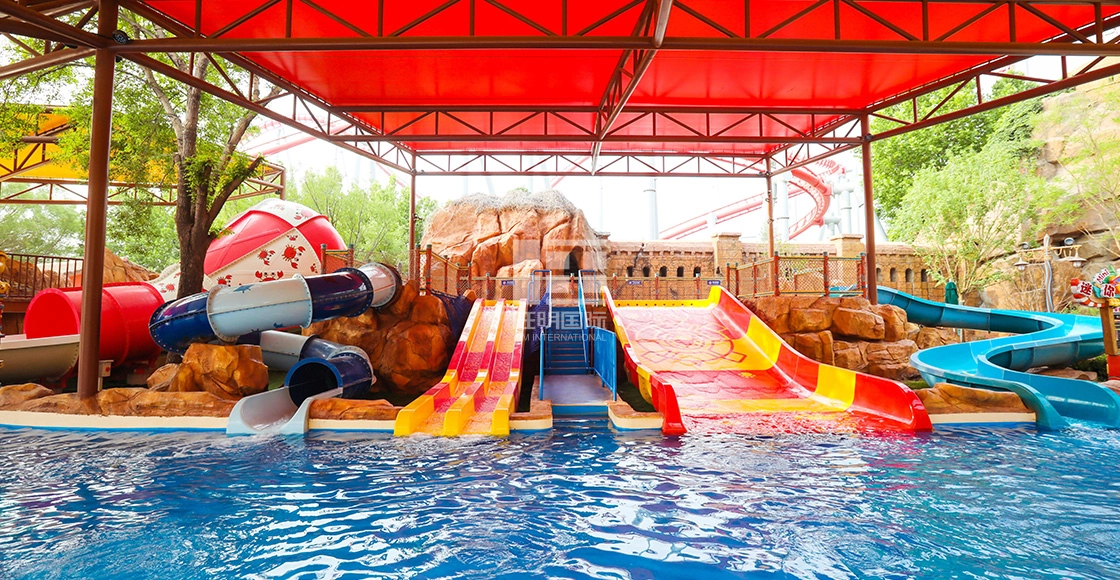
Children Combined Water Slide
Discover endless fun with the Children Combined Water Slide by WM INTERNATIONAL, expertly crafted for thrill-seeking kids. Perfect for summer splashes, this durable slide promises safety and joy. Looking to elevate your play area? Explore our Children's Combined Slide for sale now!
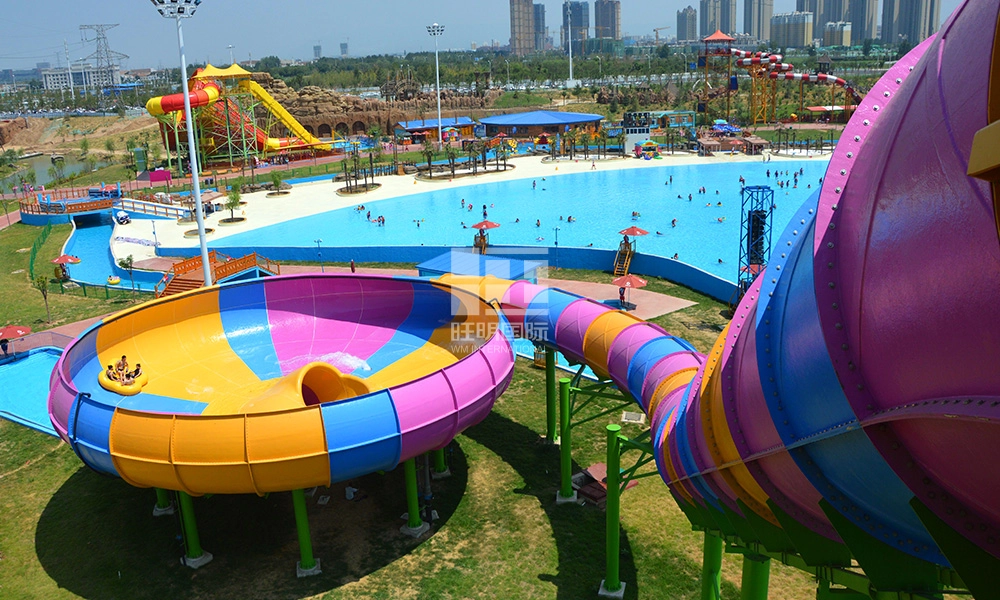
Huge Bowl Water Slide
The Huge Bowl Water Slide has achieved the “World's Best New Water Amusement Equipment” Award; it is the new favorite of the young people and the star project of the water park. The raft carries the tourists slowly entering the closed chute first; then it whirls in the bowl the moment the tourists can see the light. After a short period of time, the raft is suddenly suctioned into a huge black hole until it falls into the water. For a moment, the tourists realize the breathtaking journey has been safely brought to an end.
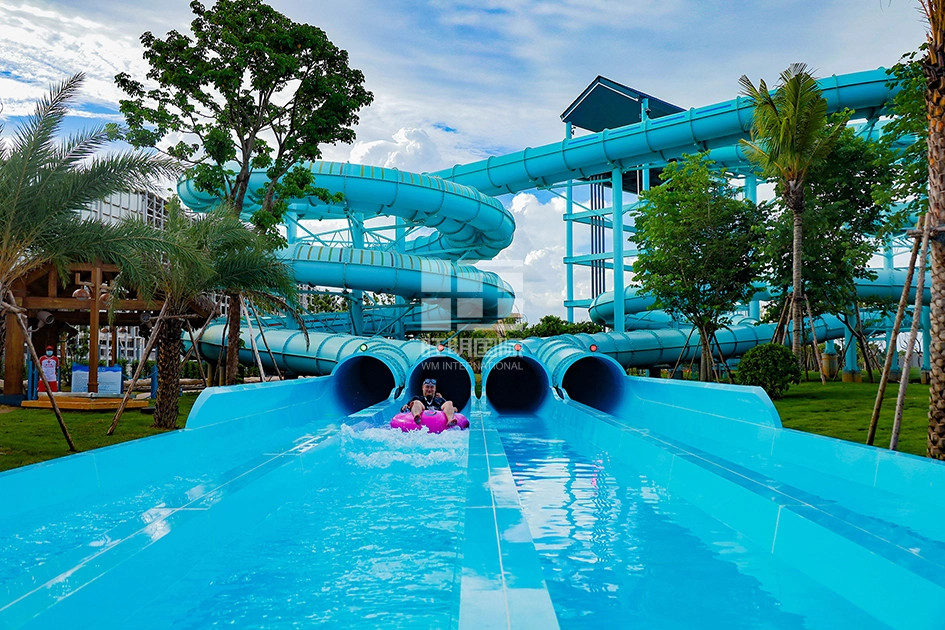
Time Tunnel Water Slide
The biggest feature of the time tunnel slide is that it uses double water slides and double tubes side by side in design and competes along the circular slide path. 8 people can play at the same time, with a large passenger capacity and high return rate, which is very suitable for team and family travel. And the slide is equipped with WangMing International's time tunnel technology, and the interior of the slide presents a beautiful aurora effect, with colorful lights, as if traveling through time and space.
Big Tourbillion Water Slide
The Big Tourbillion water Slide won the "Gold Ticket Award - The Best New Project" of the international tourism industry. With unique modelling, strong irritation and humor, it is deeply loved by the young people; it has always been the popularity star of the water park. The raft carries the tourists as they enter the dark, closed chute slowly from the more than ten-meter-high platform; under the effect of gravity and water flow, it enters the state of rapid falling and then drops into the big Tourbillon; after a few times of whirling, it falls into the water pool. At this moment, the tourists are still in shock.
Get in touch
Have to get customized water park solutions and product quotes.
We will provide you with professional consultation and support.

Relying on leading technology, innovative products and rich industry experience, we tailor personalized solutions for each water park project to ensure a safe and exciting entertainment experience for tourists.
 Scan QR Code
wmwaterslide
wmwaterpark